
Richmond National Battlefield deer cull plan needs public input
White-tailed Deer Management Plan for Richmond National Battlefield Park
National Park Service· Richmond National Battlefield ParkNPS Planning (PEPC) project page ↗
NPS PEPCWe track this on the agency’s own system of record, where most on-the-ground decisions live.
The groups on this fight
4 groups work Virginia
By footprint, from the same match the STAND matchmaker runs; none is linked to this decision in our record yet. Give straight to them; nothing routes through us.
- Friends of Shenandoah Mountain
Works Virginia: they work only in Virginia.
- Friends of the Blue Ridge Parkway
Works Virginia: virginia is one of the 2 states they work in.
- Potomac Appalachian Trail Club
Works Virginia: virginia is one of the 4 states they work in.
- Shenandoah National Park Trust
Works Virginia: they work only in Virginia.
Every group above is on STAND for Public Lands, with its court record, its filings and who backs it.
The park may begin killing deer to control overpopulation at a Civil War battlefield.
What’s at risk
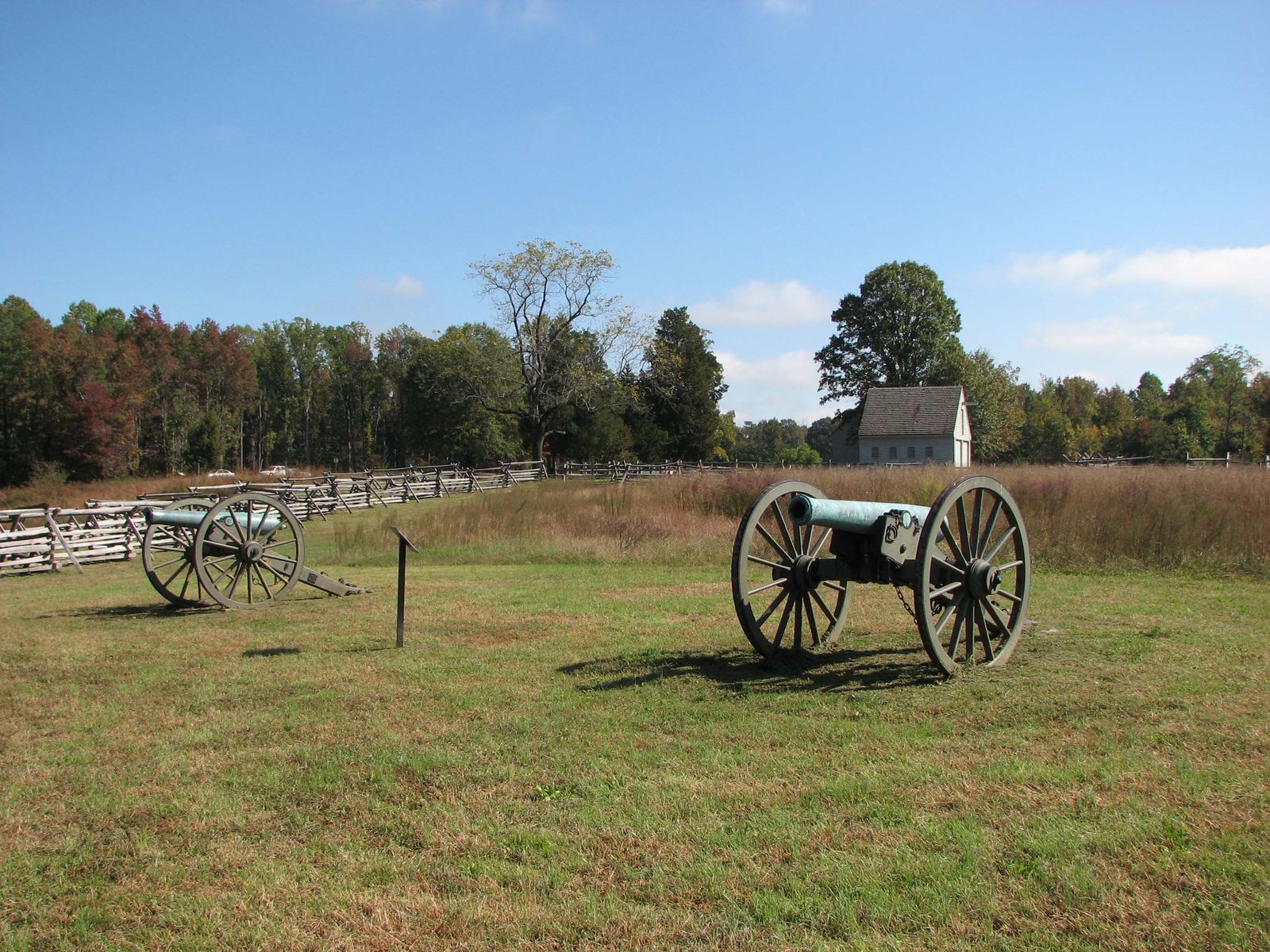
White-tailed deer at Richmond National Battlefield Park are overgrazing vegetation and damaging historic cultural landscapes. The management plan under development could authorize lethal culling, contraception, or hazing of the deer population.
If this goes through
Whichever approach is chosen will set the long-term management direction for deer at the park, affecting wildlife, historic landscapes, and visitor and community experience.
Our plain-English read of the official notice ↗. Check it against the agency’s own words below.
4 holes in the agency’s own analysis
Make these points, in your own words
- I oppose this action as proposed, and I ask the agency to weigh the specific harms below.
- The document describes three distinct resource concerns - cultural landscape integrity, forest regeneration, and native vegetation and wildlife diversity - but offers no analysis of whether those concerns require different deer-density thresholds or different management tools. Lumping all three under a single plan framework without distinguishing their separate triggers is an unreasoned leap. The agency should, in the Draft EA, analyze each resource concern separately and justify any single management target that is claimed to address all three simultaneously.
- The document announces the NEPA process will not begin until 2027, meaning the public is being asked to comment now on a plan whose alternatives, impacts, and mitigation measures have not yet been developed. Scoping comments are most meaningful when at least a range of alternatives is outlined. The agency should release a preliminary range of alternatives alongside this scoping notice so the public can provide informed input rather than commenting into a void.
- The only public engagement opportunity listed before the comment deadline is a single open house on September 22, 2026, at one library location (Varina Area Library). The park spans multiple units across the Richmond metropolitan area, and limiting scoping outreach to one evening event at one location may exclude segments of the public who cannot travel to that site. The agency should hold additional open houses at locations near other park units and extend the comment period if attendance at the single event is low.
- The scoping notice asks the public two open-ended questions about what is important to them and whether other issues exist, but does not present even a preliminary range of management alternatives (for example, no-action, non-lethal fertility control, lethal removal, or fencing). Without alternatives to react to, public comments cannot meaningfully address trade-offs between methods. The agency should publish a preliminary alternatives framework alongside the scoping notice so that this comment period generates substantive, targeted input rather than general expressions of concern.
Show all 6 points from the document
- Say something only you can say. The law requires the agency to consider and respond to substantive comments, and specifics are what make a comment substantive.
In the agency’s own words
Provide Planning Comments Here!
Did the agency answer?
4 issues are on this record. The agency has not published its decision document yet, so each one stays pending until the agency answers.
Issues on the record, awaiting the decision
- PendingThe document describes three distinct resource concerns - cultural landscape integrity, forest regeneration, and native vegetation and wildlife diversity - but offers no analysis of whether those conc
The document describes three distinct resource concerns - cultural landscape integrity, forest regeneration, and native vegetation and wildlife diversity - but offers no analysis of whether those concerns require different deer-density thresholds or different management tools. Lumping all three under a single plan framework without distinguishing their separate triggers is an unreasoned leap. The agency should, in the Draft EA, analyze each resource concern separately and justify any single management target that is claimed to address all three simultaneously.
A hole PLAN found in the agency’s own analysis, quote verified against the document
- PendingThe document announces the NEPA process will not begin until 2027, meaning the public is being asked to comment now on a plan whose alternatives, impacts, and mitigation measures have not yet been dev
The document announces the NEPA process will not begin until 2027, meaning the public is being asked to comment now on a plan whose alternatives, impacts, and mitigation measures have not yet been developed. Scoping comments are most meaningful when at least a range of alternatives is outlined. The agency should release a preliminary range of alternatives alongside this scoping notice so the public can provide informed input rather than commenting into a void.
A hole PLAN found in the agency’s own analysis, quote verified against the document
- PendingThe only public engagement opportunity listed before the comment deadline is a single open house on September 22, 2026, at one library location (Varina Area Library).
The only public engagement opportunity listed before the comment deadline is a single open house on September 22, 2026, at one library location (Varina Area Library). The park spans multiple units across the Richmond metropolitan area, and limiting scoping outreach to one evening event at one location may exclude segments of the public who cannot travel to that site. The agency should hold additional open houses at locations near other park units and extend the comment period if attendance at the single event is low.
A hole PLAN found in the agency’s own analysis, quote verified against the document
- PendingThe scoping notice asks the public two open-ended questions about what is important to them and whether other issues exist, but does not present even a preliminary range of management alternatives (fo
The scoping notice asks the public two open-ended questions about what is important to them and whether other issues exist, but does not present even a preliminary range of management alternatives (for example, no-action, non-lethal fertility control, lethal removal, or fencing). Without alternatives to react to, public comments cannot meaningfully address trade-offs between methods. The agency should publish a preliminary alternatives framework alongside the scoping notice so that this comment period generates substantive, targeted input rather than general expressions of concern.
A hole PLAN found in the agency’s own analysis, quote verified against the document
The reporting behind this
From More Than Just ParksAfter more than a decade chasing peak color across America, we built the foliage map we always wanted.
Another foreign mining company wants a piece of America’s public lands. This one comes with millions of gallons of groundwater pumping and radioactive radon.
The administration went looking for a sliver of Yosemite for a private developer and finally convinced the rest of public-lands world that if Yosemite is negotiable, nothing is safe.
More actions that need you
Go deeper, free
See how your members of Congress vote on public lands
Every representative, graded on the votes that decide the fate of parks, forests, and refuges.
Open ↗The mapSee the places under active threat
A live map of the parks, monuments, and wild country in the crosshairs right now.
Open ↗A wrong fact, a dead link, a form that wouldn’t take your letter: one tap and it comes to the people who build PLAN, with this fight attached.
Know an open comment period we are missing, or spotted a wrong deadline? .