
Open for comment · closes November 17
Stop opening 14.10 square nautical miles of protected coral habitat to trawling
National Oceanic and Atmospheric Administration · Oculina Bank Habitat Area of Particular Concern, South Atlantic
- What
- NOAA proposes reopening 14.10 square nautical miles of the Oculina Bank Habitat Area of Particular Concern to rock shrimp trawling, on the same boundary it disapproved in 2022 for failing to protect essential fish habitat and minimize bycatch.
- Where
- Oculina Bank Habitat Area of Particular Concern, South Atlantic
- How much
- approximately 14.10 NM2 proposed shrimp fishery access area (SFAA) size; 92-square-nautical-mile portion of Oculina Bank original OHAPC size (1984 designation); approximately 360 to 1,580 meters buffer distance to known coral pinnacles
- By when
- Comments to National Oceanic and Atmospheric Administration by November 17, 2026.Date from Federal Register ↗, read September 20, 2026.
What to ask forAll 10 points →
NMFS should require a site-specific sedimentation-transport analysis testing whether plumes reach pinnacles at 360 to 1,580 meters before relying on the buffer as adequate protection.
Where these four lines come from
- WhatOur plain-English read of the Federal Register 2026-19182 ↗. Check it against the agency’s own words under Case.
- WhereThe places and states the notice names, as PLAN read them.
- approximately 14.10 NM2“Amendments 11/12 would establish an approximately 14.10 NM2 SFAA along the eastern boundary” Action Contained in Amendments 11/12 Open the document ↗
- 92-square-nautical-mile portion of Oculina Bank“designation of a 92-square-nautical-mile (NM2) portion of the Oculina Bank as the OHAPC” Background Open the document ↗
- approximately 360 to 1,580 meters“approximately 360 to 1,580 meters away from known coral pinnacles and the oceanographic currents” Background Open the document ↗
- By whenNovember 17, 2026, from Federal Register, the document’s comment close date (federalregister.gov) ↗. Read September 20, 2026.
- Read from PLAN’s record November 9, 2026.
Two ways to be heard on this, and both count. Comment for the legal record, then call the members who answer to you.
5 taps on Comment, Call and Share here
What to say
Make these points, in your own words
The Council's own Coral Advisory Panel and Habitat and Ecosystem Advisory Panel warned that sediment stirred up by trawling can travel considerable distances and smother coral, but the document never reconciles that warning with the proposed buffer, which is as narrow as 360 meters at its closest point to known coral pinnacles.Read the point +
No sediment-transport study or modeling is cited to show the buffer actually contains plumes at that distance. NMFS should require a site-specific sedimentation-transport analysis testing whether plumes reach pinnacles at 360 to 1,580 meters before relying on the buffer as adequate protection.
The document states outright that the coordinates for the SFAA in the newly proposed Amendments 11/12 are identical to those in Coral Amendment 10, which NMFS disapproved in 2022 for failing to demonstrate consistency with the Magnuson-Stevens Act's essential fish habitat and bycatch minimization requirements.Read the point +
Since the boundary itself has not changed, NMFS should explain specifically what about the location, rather than only the supporting paperwork, has changed to cure the prior disapproval.
The only environmental review listed for reopening a portion of a Habitat Area of Particular Concern that was previously found, by the agency's own 2022 disapproval, to inadequately protect essential fish habitat is an environmental assessment, not an Environmental Impact Statement.Read the point +
Given that history, NMFS should justify why an EA is sufficient here rather than preparing a full EIS.
During development of Coral Amendment 8, the Council itself identified a need for data on effort and yield of historic rock shrimp fishing in the proposed area before adjusting the OHAPC boundary.Read the point +
Amendments 11/12 address the prior disapproval mainly through habitat presence-absence surveys and a bycatch practicability analysis, not through the effort and yield data on historic fishing that was flagged as a specific gap years earlier. NMFS should supply and analyze that effort and yield data directly.
The stated purpose of Amendments 11/12 is to achieve optimum yield in the rock shrimp fishery, and the document asserts the fishery has been operating well below OY and maximum sustainable yield levels, but no figures are given showing how much of that gap the SFAA is projected to close.Read the point +
NMFS should quantify the expected yield increase from the SFAA before using OY achievement as a justification for approval.
The 2022 visual survey used to show the SFAA lacks coral covered approximately 35 kilometers of towed-camera transect, but the document does not state what fraction of the 14.10 NM2 proposed access area that transect actually represents.Read the point +
NMFS should disclose the percentage of the SFAA directly surveyed and justify why a partial transect supports a finding of no coral throughout the entire access area.
The bycatch practicability analysis concludes that the occurrence of managed snapper-grouper species in rock shrimp bycatch is negligible, but the document gives no percentage or count supporting that characterization, only the qualitative word negligible.Read the point +
NMFS should release the underlying observer-data figures so the public can evaluate whether negligible is an accurate description.
The bycatch practicability analysis's conclusion on the buffer is hedged rather than demonstrated: it states only that the buffer is expected to minimize sedimentation risk to the extent practicable, without citing a specific study, model, or threshold showing that 360 to 1,580 meters is in fact sufficient distance.Read the point +
NMFS should replace this expectation with a cited technical basis for the chosen buffer distance.
The acoustic mapping cited to support the SFAA establishes only that the trawl area itself is low-relief sandy and muddy bottom lacking coral-supporting mounds.Read the point +
That finding answers whether coral exists inside the SFAA, but it does not address the Advisory Panels' actual concern, which was indirect damage to coral pinnacles located outside the SFAA from sediment plumes traveling into adjacent habitat. NMFS should directly analyze off-site sedimentation impacts on the known pinnacles near the boundary, not just habitat conditions within the trawl footprint.
Public comments on a resubmission of a previously disapproved amendment, now supported by a new bycatch practicability analysis, a 2022 visual survey, and a 2025 acoustic mapping expedition, are given only a standard 60-day window ending November 17, 2026.Read the point +
Given the technical complexity of the new supporting analyses and the amendment's history of disapproval, NMFS should extend the comment period to allow the public adequate time to evaluate the underlying survey and bycatch data.
Say something only you can say. The law requires the agency to consider and respond to substantive comments, and specifics are what make a comment substantive.
PLAN's read: high threat
NOAA proposes reopening 14.10 square nautical miles of the Oculina Bank Habitat Area of Particular Concern to rock shrimp trawling, on the same boundary it disapproved in 2022 for failing to protect essential fish habitat and minimize bycatch.
What’s at risk
If this goes through
Our plain-English read of the official notice ↗. Check it against the agency’s own words below.
By the numbers, from the agency’s own document
- Proposed shrimp fishery access area (SFAA) size
Action Contained in Amendments 11/12
Open the document ↗“Amendments 11/12 would establish an approximately 14.10 NM2 SFAA along the eastern boundary”
- Original OHAPC size (1984 designation)
Background
Open the document ↗“designation of a 92-square-nautical-mile (NM2) portion of the Oculina Bank as the OHAPC”
- Buffer distance to known coral pinnacles
Background
Open the document ↗“approximately 360 to 1,580 meters away from known coral pinnacles and the oceanographic currents”
- Length of 2022 towed-camera visual survey
Background
Open the document ↗“visual survey using a towed camera system covered approximately 35 kilometers over an area”
- Comment period deadline
DATES
Open the document ↗“Written comments on Amendments 11/12 must be received on or before November 17, 2026”
- Years of bycatch observer data reviewed
Background
Open the document ↗“The BPA reviews rock shrimp fishery observer data from 2018 through 2022”
Source: the agency’s document ↗
The agency’s case, tested
What the agency argues, and whether its own record backs it
- 1
- Holds up
- 6
- Not fully backed
The National Marine Fisheries Service is taking comment on fishery plan amendments that would open an approximately 14.10 square nautical mile strip of the protected Oculina Bank coral area to bottom trawling for rock shrimp. The reasons given are to restore access to historic fishing grounds and reach optimum yield in the rock shrimp fishery while keeping harm to deep-water corals low.
“The purpose of Amendments 11/12 is to reinstate access to historic rock shrimp fishing grounds, achieve optimum yield (OY) in the rock shrimp fishery, while minimizing impacts to deep-water corals in the OHAPC.”
Summary
Each Ask below goes into your letter when you write it with PLAN on this page, matched to what you tell it about how this land reaches you.
AuthorityNot fully backedThe new amendments fix the problems that led the agency to disapprove Amendment 10 on protecting essential fish habitat and minimizing bycatch.
The disapproval of Amendment 10 said its analyses didn't adequately demonstrate habitat protection and bycatch minimization. It didn't reject the boundary itself. Amendments 11/12 add two new surveys: a 2022 towed camera survey found no live, dead or rubble Oculina in the strip, and an April 2025 acoustic mapping expedition found low-relief sandy and muddy bottom. They also add a bycatch practicability analysis that reviewed observer data from 2018 through 2022 and found negligible snapper-grouper bycatch. They cite a buffer of approximately 360 to 1,580 meters from known pinnacles. Still, the notice states its sedimentation and bycatch mortality conclusions without showing plume, rate or mortality figures, and the coordinates are identical to Amendment 10's. So the notice itself doesn't show the fixes are complete.
AskExplain what changed in the analysis since the 2022 disapproval, given the identical boundary, and show why a smaller area or wider coral buffer isn't practicable.
The agency’s words, the record +Hide the words
The agency says
“Amendments 11/12 address the deficiencies of Coral Amendment 10 through inclusion of recent scientific surveys in the OHAPC and analysis on EFH, bycatch and habitat impacts as well as how the proposed action meet the objectives of the FMPs.”
Background
Elsewhere in the same document
“During the development of Amendments 11/12, these conflicting AP viewpoints on Amendment 10 were considered by the Council because the coordinates for the SFAA proposed by Amendment 10 and Amendments 11/12 are identical.”
Background
AlternativesNot fully backedThe proposed strip is the best balance between historic rock shrimp access and coral habitat protection.
The Council weighed conflicting advisory panel views, with shrimp panel support on one side and coral and habitat panel concerns about sediment on the other. It cites new survey data showing no coral in the strip, ongoing vessel monitoring, and a buffer of approximately 360 to 1,580 meters from known pinnacles. But the notice doesn't describe any other boundary, buffer width, seasonal limit or no-action comparison, and it says the coordinates are identical to Amendment 10's. A best balance finding needs other options to weigh against, and none are shown here.
AskDescribe the other boundaries, buffer widths or seasonal limits the Council considered and explain why each was rejected.
The agency’s words and the law +Hide the words
The agency says
“The Council ultimately recommended the implementation of the SFAA, which is supported by new survey data and ongoing VMS monitoring, finding that it provides the best balance between historical rock shrimp fishing access and habitat protection.”
Background
The law
“consistent with the provisions of this chapter, study, develop, and describe technically and economically feasible alternatives;” National Environmental Policy Act, 42 U.S.C. 4332(2)(F) ↗
EffectsNot fully backedA buffer of about 360 to 1,580 meters from known coral pinnacles, plus local currents, will keep trawling sediment plumes from harming coral as far as practicable.
The notice gives the buffer distances and names the currents, but offers no data on how far trawl plumes travel or which way currents carry them. The Coral and Habitat and Ecosystem advisory panels warned that fine particles stirred up by trawling can travel considerable distances and smother coral polyps or larvae. The notice doesn't answer that warning with numbers.
AskPublish plume distance and current direction data showing sediment from trawling won't reach coral pinnacles as close as 360 meters away, and respond to the advisory panels' smothering concern.
The agency’s words, the record +Hide the words
The agency says
“Based on the location of the proposed SFAA which is approximately 360 to 1,580 meters away from known coral pinnacles and the oceanographic currents in the area, this buffer is expected to minimize the risk of sedimentation plumes impacts to habitat to the extent practicable.”
Background
Elsewhere in the same document
“The boundary of the proposed SFAA also includes a buffer between it and known Oculina coral pinnacles to aid in decreasing potential sedimentation impacts from bottom trawling.”
Background
Show 3 more claims +Show fewer
EffectsNot fully backedTurtle excluder and bycatch reduction devices, combined with the sandy bottom, effectively minimize bycatch deaths from trawling in the new area.
The bycatch analysis reviewed fishery observer data from 2018 through 2022 and says bycatch is mostly unmanaged invertebrates, with negligible snapper-grouper. But the notice gives no bycatch rates, no mortality figures and no device performance data, and the observer data come from fishing outside this strip, which has been closed to trawling since the 2015 expansion.
AskReport bycatch amounts and death rates by species, including any sea turtle interactions, and explain how data from other grounds apply to this strip.
The agency’s words, the record +Hide the words
The agency says
“The BPA also concludes the use of specialized gear (Turtle Excluder Devices and Bycatch Reduction Devices), which combined with the sandy and muddy-bottom location of the SFAA, effectively minimizes bycatch mortality.”
Background
Elsewhere in the same document
“The BPA reviews rock shrimp fishery observer data from 2018 through 2022 and documents that bycatch in the rock shrimp fishery is primarily composed of non-managed invertebrates.”
Background
“The occurrence of South Atlantic snapper-grouper species managed by the Council and NMFS is negligible in any bycatch from the rock shrimp fishery.”
Background
EffectsNot fully backedVessel monitoring at one position every 5 minutes is enough to keep trawlers inside the narrow strip and out of the surrounding coral area.
The agency says the current rate of one position every 5 minutes is considered effective in monitoring fishing within and near the protected area. That same rate has applied to vessels transiting the area since Amendment 8, along with a 5-knot minimum transit speed and a requirement that gear be stowed. The shrimp advisory panel said shrimpers use high-resolution navigation and vessel monitoring to avoid sensitive habitat. But the notice gives no compliance record, no count of past incursions and no analysis of whether 5-minute pings can detect trawling just outside a narrow strip beside closed coral.
AskProvide the vessel monitoring compliance record in and near the coral area and show that 5-minute position reports can detect trawling outside the strip's boundary.
The agency’s words +Hide the words
The agency says
“The current transmission rate is considered effective in monitoring fishing activity within and near the OHAPC.”
Action Contained in Amendments 11/12
EconomicsNot fully backedReopening this strip will help the rock shrimp fishery, now well below optimum yield, reach optimum yield and gain economic benefits.
The notice says the fishery runs well below optimum yield and industry calls the strip critical in some years. It gives no landings, effort or revenue figures for the strip, and it says use of the area is variable. It also notes the Council earlier lacked data on effort and yield of historic fishing there. No link is shown between the shortfall and this closure.
AskProvide historic landings and revenue from the strip and estimate how much reopening it would raise catch relative to optimum yield.
The agency’s words +Hide the words
The agency says
“As discussed in Coral Amendment 10, the rock shrimp portion of the shrimp fishery has been consistently operating well below OY and maximum sustainable yield levels.”
Background
Where its own record backs the agency
ScienceNew surveys show the proposed trawling strip holds no Oculina coral and is low-relief sand and mud.Why it holds +
The notice cites two surveys: a 2022 towed camera survey covering approximately 35 kilometers that found no live, dead or rubble Oculina in the strip, and an April 2025 acoustic mapping expedition showing low-relief sandy and muddy bottom without the high-relief mounds Oculina needs. The notice doesn't say how many camera transects crossed the strip itself, but both surveys point the same way.
The agency says
“In 2022, a NMFS Southeast Fisheries Science Center visual survey using a towed camera system covered approximately 35 kilometers over an area that included the proposed SFAA and found no evidence of live, dead, or rubble Oculina coral within the proposed SFAA.”
Background
Its own record backs it
“This mapping data confirms that the proposed SFAA consists of low-relief sandy and muddy bottoms, lacking the high-relief mounds required to support Oculina colonies.”
Background
How this was read
Read from the agency’s own notice ↗, all 3 pages. Every quote is checked word for word against it, a claim marked contradicted stands on a quote from the same document, and a second reading argued the agency’s side of every verdict before it was published. The verdicts are our reading; the quotes are the agency’s. A court can set aside agency action it finds “arbitrary, capricious, an abuse of discretion, or otherwise not in accordance with law” (5 U.S.C. 706(2)(A) ↗), which is why these gaps are worth putting in the record.
In the agency’s own words
The South Atlantic Fishery Management Council (Council) has submitted Amendment 11 to the Fishery Management Plan for Coral, Coral Reefs, and Live/Hardbottom Habitats of the South Atlantic (Coral FMP) and Amendment 12 to the Fishery Management Plan for the Shrimp Fishery of the South Atlantic Region (Shrimp FMP; jointly Amendments 11/12) for review, approval, and implementation by NMFS. If approved, Amendments 11/12 would establish a shrimp fishery access area (SFAA) along the eastern boundary of the northern extension of the Oculina Bank Habitat Area of Particular Concern (OHAPC) where trawling for rock shrimp i…
Federal Register 2026-19182 ↗Read the docket on regulations.gov ↗
The groups on this fight
One group is in on this fight
In on this fight means a link on this decision itself: the group's own regulations.gov comment on it, or a case filed over it naming the group. Give straight to them; nothing routes through us.
- Sierra Club
In on this fight · linked
Filed its own comment on this decision on October 21, 2026.
Their comment on regulations.gov ↗
Every group above is on STAND for Public Lands, with its court record, its filings and who backs it.
Who signs it
The notice names no signer PLAN could read. PLAN names a decision-maker only when the document names one.
The ground
This fight isn’t bound to a map place in PLAN’s record yet. The notice names Oculina Bank Habitat Area of Particular Concern, South Atlantic; none is a unit on the threatened lands map, so there’s no place page to open or watch.
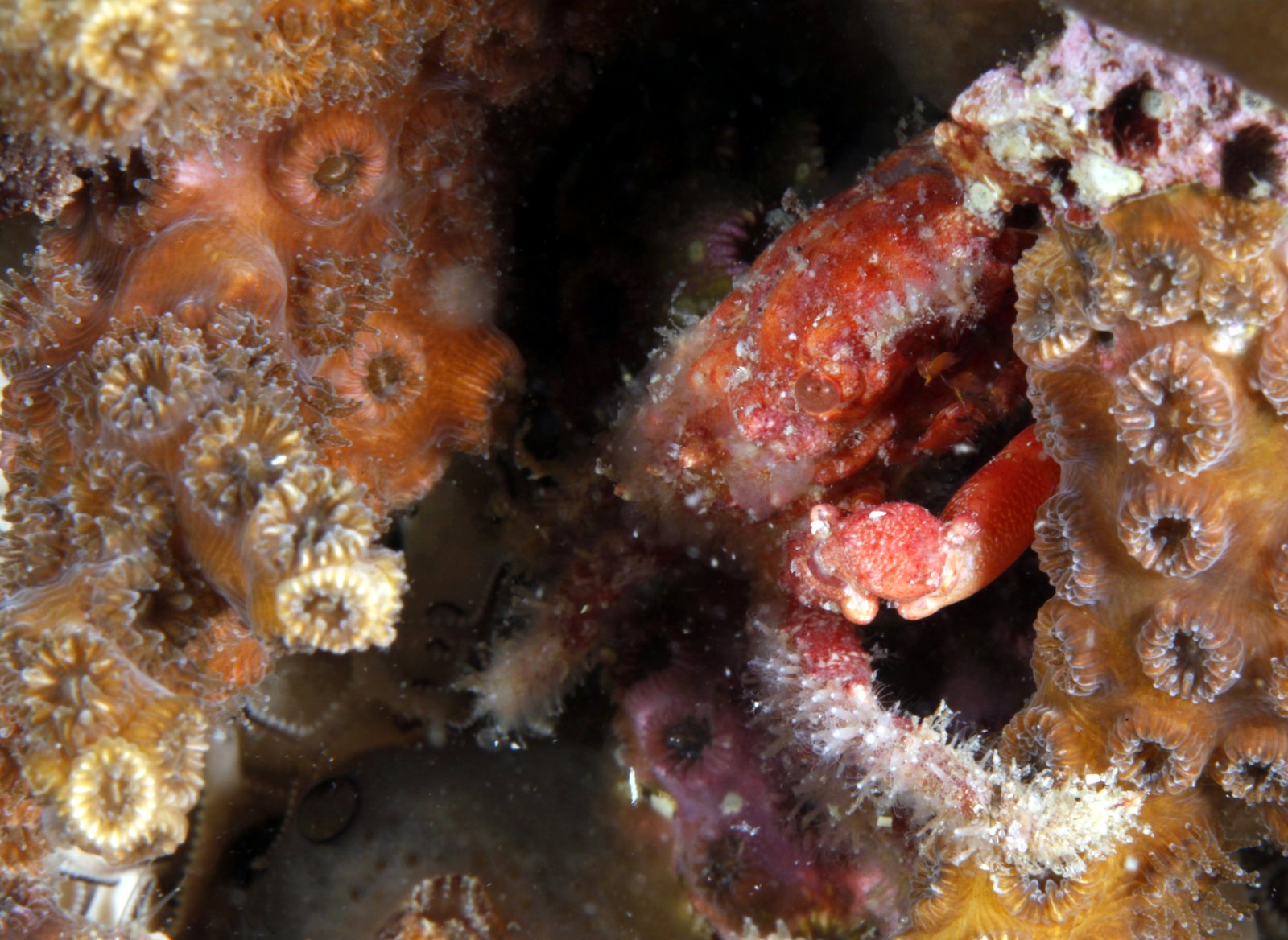
The photograph on this page: Oculina coral, Gray's Reef National Marine Sanctuary, Georgia (NOAA photo). More Than Just Parks.
In court on this ground
This fight isn’t bound to a land unit in PLAN’s record yet, so there are no court cases to show for its ground.
Who holds the vote
PLAN’s record doesn’t tie a member of Congress to this fight yet. The scorecard grades the votes and bills that decide public lands; nothing joins a vote or a bill to this decision, so there’s no member to name here without guessing.
See how your members vote ↗Calling your two senators and your representative is the Call door on this page.
On the record for this fight
5 people told us they filed on this fight through PLAN, and 3 have been found on the agency’s own posted comments.
- Karen W.54 seals
- Judith A.77 seals
- Amy M.59 seals
- and 2 more stewards
Ranked on letters found on the agency’s record, then letters filed. Readers appear as first name and last initial, or as a steward in their state; switch yours off in your record. All boards
Know an open comment period we are missing, or spotted a wrong deadline? .
More fights that need you
Go deeper, free
See how your members of Congress vote on public lands
Every representative, graded on the votes that decide the fate of parks, forests, and refuges.
Open ↗The mapSee the places under active threat
A live map of the parks, monuments, and wild country in the crosshairs right now.
Open ↗A wrong fact, a dead link, a form that wouldn’t take your letter: one tap and it comes to the people who build PLAN, with this fight attached.