
Open for comment · closes December 17
Shape the next management plan for Gray's Reef Sanctuary
National Oceanic and Atmospheric Administration · Gray's Reef National Marine Sanctuary
- What
- NOAA is rewriting the rules for Gray's Reef and needs public input now.
- Where
- Gray's Reef National Marine Sanctuary
- How much
- Sanctuary size: 22 square miles. Species identified: Almost 1,000 invertebrates, 200 fish. Condition Report data period: 2008-2022.
- By when
- Comments to National Oceanic and Atmospheric Administration by December 17, 2026.Date from Federal Register ↗, read November 2, 2026.
What to ask forAll 10 points →
NOAA should re-hold or add meetings with adequate advance notice, print exact times and venues in the Federal Register, and extend the comment period so people who missed the early sessions can take part.
Where these four lines come from
- WhatOur plain-English read of the Federal Register 2026-22287 ↗. Check it against the agency’s own words under Case.
- WhereThe places and states the notice names, as PLAN read them.
- 22 square miles“a 22-square-mile area of vibrant, live-bottom reef and surrounding sand and open ocean habitats” I. Background Open the document ↗
- Almost 1,000 invertebrates, 200 fish“Almost 1,000 species of invertebrates and 200 species of fish have been identified at Gray's Reef.” I. Background Open the document ↗
- 2008-2022“The Condition Report, released in 2025, assessed the period from 2008-2022 and presents summary information describing the status and trends of sanctuary resources” II. Condition Report Open the document ↗
- By whenDecember 17, 2026, from Federal Register, the notice's DATES field (federalregister.gov API) ↗: “NOAA will consider all written comments in English that are received on or before 11:59 pm Eastern Standard Time on December 17, 2026.”. Read November 2, 2026.
- Read from PLAN’s record November 13, 2026.
Two ways to be heard on this, and both count. Comment for the legal record, then call the members who answer to you.
Comment now10 holes in the agency’s own analysis
Make these points, in your own words
The notice was published November 2, 2026 but the first public meeting is November 4 in Brunswick, and the second is November 10.Read the point +
That is two days of notice for the first session. The notice also gives only 'Late Afternoon-Evening Session' for every meeting and sends readers to a website for the actual times and locations. NOAA should re-hold or add meetings with adequate advance notice, print exact times and venues in the Federal Register, and extend the comment period so people who missed the early sessions can take part.
The notice says meeting times and locations may change and must be checked on a website.Read the point +
Nothing in the notice fixes the schedule, so the public cannot rely on the published notice to know when and where to comment. NOAA should publish a binding schedule in the Federal Register and announce any change through a corrected notice.
The preliminary goals and strategies were written by staff at an August 2026 workshop, before this public request for information.Read the point +
The public is then asked to react to a 10-year framework that is already drafted. The notice does not say how comments can change the goals or whether alternatives to this framework will be analyzed. NOAA should state how scoping input can replace these goals and should analyze alternatives to them.
The notice defers the NEPA analysis. It promises 'an environmental analysis document' but never says whether that will be an Environmental Assessment or an Environmental Impact Statement, and it names no alternatives.Read the point +
Revising a 10-year plan and possibly the sanctuary regulations is a major federal action. NOAA should commit now to preparing an EIS, or explain in writing why an EA would be enough, and should list the alternatives it will study.
The notice says the review will 'evaluate progress' but gives no findings on progress since 2014.Read the point +
It cites a 2019 rapid review that found no urgent revisions needed, then launches a comprehensive revision without saying what changed or what the evaluation found. NOAA should publish the progress evaluation and explain what justifies revising the plan, so the public can comment on the real gap.
The Condition Report that informs the review covers only 2008-2022, and the notice summarizes none of its findings on status or trends.Read the point +
A plan meant to guide the next ten years is based on data that ends four years before the review began. NOAA should say what the report found for water quality, habitat, and living resources, and should incorporate more recent data before it sets goals.
Strategy 3.3 promises to 'facilitate' human use while ensuring it is 'compatible' with protection goals, but no standard, threshold, or list of uses is given.Read the point +
The notice does not say whether fishing, diving, or other uses would face new limits or new openings, or whether regulations will change. NOAA should define 'compatible,' identify which uses and regulations it is considering, and analyze the effects of each directly.
Strategy 6.3 has NOAA evaluate 'additional protection' of habitats and cultural resources across the South Atlantic Bight, a region far larger than the 22-square-mile sanctuary.Read the point +
The notice does not say whether this means boundary expansion, new rules, or only study, and does not say how it would be analyzed. NOAA should state the geographic and regulatory reach of Goal 6 and analyze it before any such step.
Tribal consultation appears only as a later 'responsibility' in a list of statutes.Read the point +
The notice sets no consultation schedule, identifies no Tribes, and names no step for cultural resources under the NHPA. NOAA should open government-to-government consultation now, before the draft plan, and say how Tribal input will shape the goals, including Strategy 1.2 on cultural resources.
Strategies 4.3 and 5.1 call for optimizing the Ocean Discovery Center and research vessel and enhancing vessels and buildings, but the notice gives no cost, budget source, or baseline.Read the point +
Taxpayers cannot judge whether infrastructure spending is justified. NOAA should disclose estimated costs and funding for these strategies and show how they serve the resource protection goals.
Say something only you can say. The law requires the agency to consider and respond to substantive comments, and specifics are what make a comment substantive.
Protective action worth supporting
NOAA is rewriting the rules for Gray's Reef and needs public input now.
What’s at risk
If we stay silent
Our plain-English read of the official notice ↗. Check it against the agency’s own words below.
By the numbers, from the agency’s own document
- Sanctuary size
I. Background
Open the document ↗“a 22-square-mile area of vibrant, live-bottom reef and surrounding sand and open ocean habitats”
- Species identified
I. Background
Open the document ↗“Almost 1,000 species of invertebrates and 200 species of fish have been identified at Gray's Reef.”
- Condition Report data period
II. Condition Report
Open the document ↗“The Condition Report, released in 2025, assessed the period from 2008-2022 and presents summary information describing the status and trends of sanctuary resources”
Source: the agency’s document ↗
The agency’s own analysis
What the notice says, and what it leaves out
Each one is a point a letter can put on the record.
The agency says
“Please check the website ( https://graysreef.noaa.gov/mpr ) for the most up-to-date information about public meeting locations, times, and special details.”
The notice says meeting times and locations may change and must be checked on a website.
III. Preliminary Goals & Strategies From GRNMS Staff Workshop ↗
The agency says
“In August 2026, NOAA held a workshop to identify preliminary draft goals and strategies for effectively managing the sanctuary over the next ten years.”
The preliminary goals and strategies were written by staff at an August 2026 workshop, before this public request for information.
The agency says
“preparation and release of a draft management plan, an environmental analysis document as required under the National Environmental Policy Act (NEPA)”
The notice defers the NEPA analysis.
The agency says
“determined that no urgent or immediate revisions to the management plan were needed at the time.”
The notice says the review will 'evaluate progress' but gives no findings on progress since 2014.
The agency says
“The Condition Report, released in 2025, assessed the period from 2008-2022 and presents summary information describing the status and trends of sanctuary resources”
The Condition Report that informs the review covers only 2008-2022, and the notice summarizes none of its findings on status or trends.
The agency says
“Facilitate and manage human use, ensuring use is compatible with sanctuary resource protection goals.”
Strategy 3.3 promises to 'facilitate' human use while ensuring it is 'compatible' with protection goals, but no standard, threshold, or list of uses is given.
The agency says
“Evaluate the need for additional protection of habitats and cultural resources in the South Atlantic Bight.”
Strategy 6.3 has NOAA evaluate 'additional protection' of habitats and cultural resources across the South Atlantic Bight, a region far larger than the 22-square-mile sanctuary.
The agency says
“National Historic Preservation Act (NHPA), and Tribal consultation responsibilities under Executive Order 13175.”
Tribal consultation appears only as a later 'responsibility' in a list of statutes.
The agency says
“Enhance operational capabilities of the Sanctuary infrastructure (vessels, buildings, etc.) required to accomplish the mission and goals.”
Strategies 4.3 and 5.1 call for optimizing the Ocean Discovery Center and research vessel and enhancing vessels and buildings, but the notice gives no cost, budget source, or baseline.
In the agency’s own words
The National Oceanic and Atmospheric Administration is initiating a comprehensive review of the Gray's Reef National Marine Sanctuary management plan, to evaluate progress toward implementing the goals of the sanctuary and to revise the management plan as necessary to fulfill the purposes and policies of the National Marine Sanctuaries Act. NOAA is requesting information from individuals, companies, organizations, Tribes, and government agencies on the scope, types, and significance of issues that NOAA should address in its process to revise the management plan. In addition to receiving written comments, NOAA wil…
Who signs it
The notice names no signer PLAN could read. PLAN names a decision-maker only when the document names one.
The ground
This fight isn’t bound to a map place in PLAN’s record yet. The notice names Gray's Reef National Marine Sanctuary; none is a unit on the threatened lands map, so there’s no place page to open or watch.
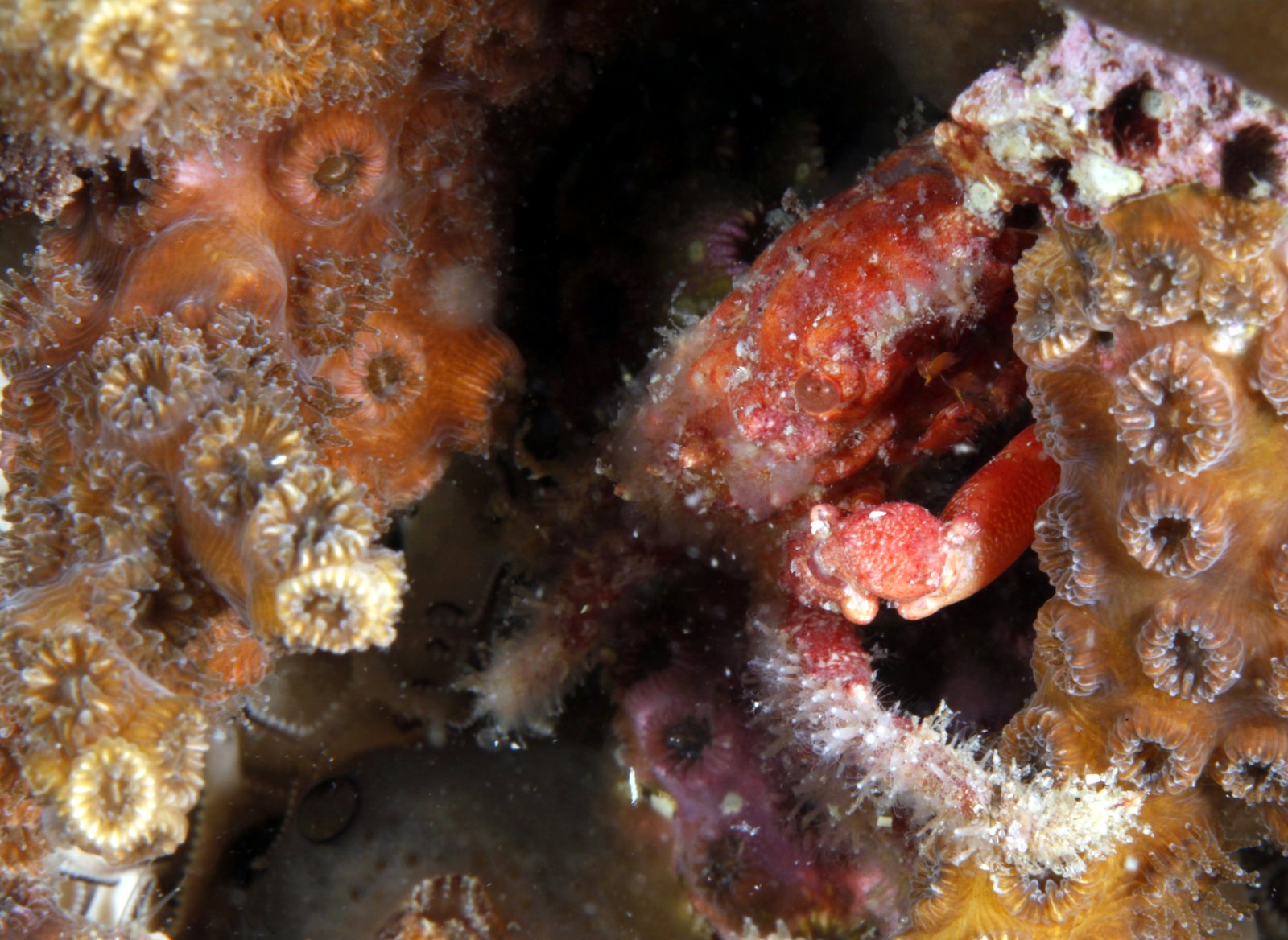
The photograph on this page: Oculina coral, Gray's Reef National Marine Sanctuary, Georgia (NOAA photo). It’s the country this decision sits in, not the site itself. More Than Just Parks.
In court on this ground
No court case we track is over Gray's Reef National Marine Sanctuary.
Who holds the vote
PLAN’s record doesn’t tie a member of Congress to this fight yet. The scorecard grades the votes and bills that decide public lands; nothing joins a vote or a bill to this decision, so there’s no member to name here without guessing.
See how your members vote ↗Calling your two senators and your representative is the Call door on this page.
Know an open comment period we are missing, or spotted a wrong deadline? .
More fights that need you
Go deeper for free
See how your members of Congress vote on public lands
Every representative, graded on the votes that decide the fate of parks, forests, and refuges.
Open ↗The mapSee the places under active threat
A live map of the parks, monuments, and wild country in the crosshairs right now.
Open ↗A wrong fact, a dead link, a form that wouldn’t take your letter: one tap and it comes to the people who build PLAN, with this fight attached.