


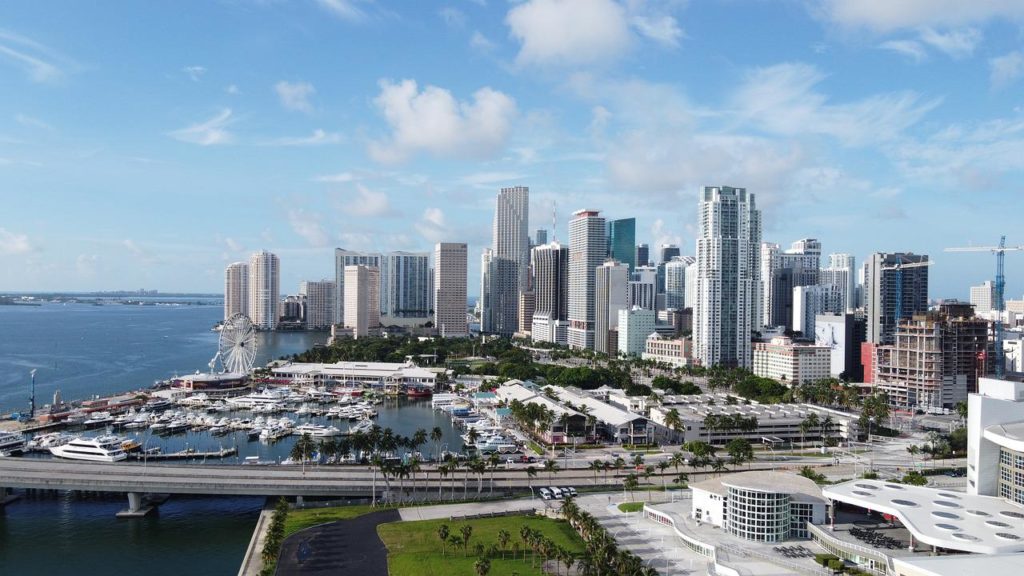
Miami is one of the rare American cities with three national parks practically on its doorstep, and a fourth that ranks among the most remarkable in the entire system. The honest catch is that two of them are mostly water, one takes a boat or seaplane to reach, and a couple of often-listed sites are really half a day away across the state. Here is the real math before you plan.
More Than Just Parks has filmed across South Florida. I will rank these by what you get for the effort, with the 2026 fees and ferry logistics you need so there are no surprises at the dock.
National Parks Near Miami At A Glance
| Park | Drive (one-way) | Designation | Day Trip? | 2026 Notes |
|---|---|---|---|---|
| Everglades National Park | ~1 hr | National Park | Yes | $35/vehicle; nonresident surcharge |
| Biscayne National Park | ~1 hr | National Park | Yes | No entrance fee; boat needed |
| Big Cypress National Preserve | ~1 hr | National Preserve | Yes | Free |
| Dry Tortugas National Park | ~3 hr 30 min to Key West + ferry/seaplane | National Park | Separate trip | Ferry ~$250/person |
| Canaveral National Seashore | ~3 hr 30 min to 4 hr | National Seashore | Overnight | $25/vehicle |
| De Soto National Memorial | ~3 hr 30 min to 4 hr | National Memorial | Overnight | Free; across the state |
1. Everglades National Park
Drive from Miami: About 1 hour to the Ernest Coe and Royal Palm entrances near Homestead. Fee: $35 per vehicle, plus a 2026 nonresident surcharge.
This is the anchor and the one to do first. The Everglades is the largest tropical wilderness in the country and the only place on earth where alligators and crocodiles live side by side. It is a slow-moving river of grass that supports manatees, wood storks, roseate spoonbills, and the elusive Florida panther.
117 public lands destinations are under threat. Get the free briefing that 27,000+ people use to stay informed and take action.
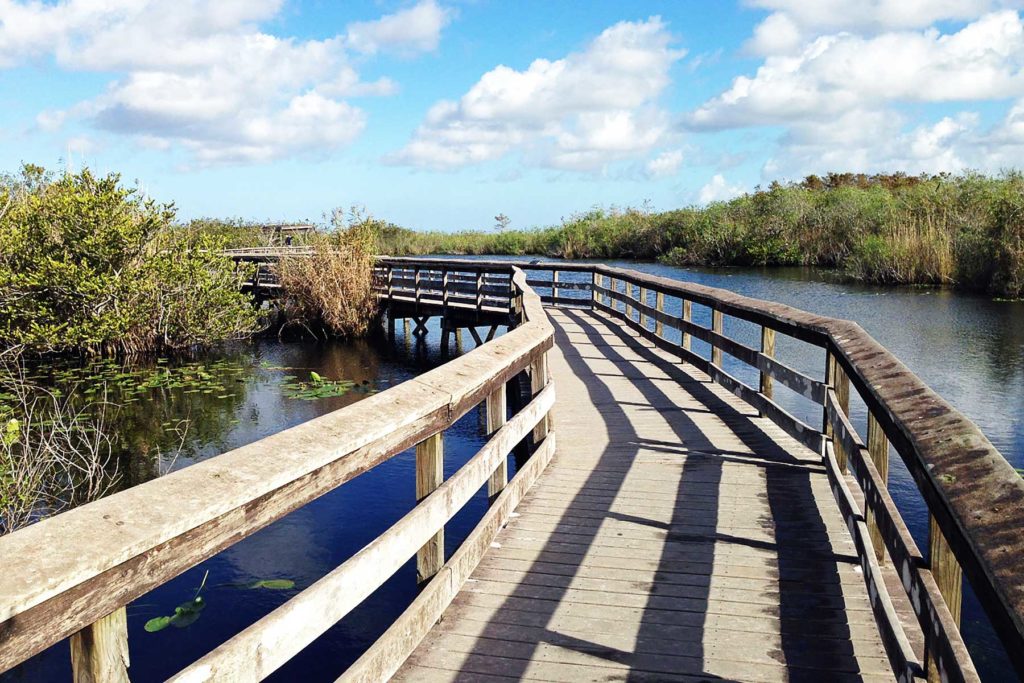
Walk the Anhinga Trail for guaranteed wildlife, take a boat tour at Flamingo, or paddle the mangroves. Visit December through April for the dry season, when wildlife concentrates at the water holes and the mosquitoes back off.
READ MORE: Things To Do At Everglades National Park
Honest caveat: A 2026 nonresident surcharge of $100 applies here, so non-US-resident visitors should budget for it. Summer is hot, buggy, and storm-prone, so the dry season is genuinely the better visit.
2. Biscayne National Park
Drive from Miami: About 1 hour to Convoy Point near Homestead. Fee: No entrance fee.
Biscayne is 95 percent water, which is exactly why it is special. It protects the northernmost Florida Keys, the clear shallows of Biscayne Bay, and living coral reefs just offshore. This is the park for snorkeling, diving, boating, and paddling.

READ MORE: Things To Do At Biscayne National Park
Honest caveat: From shore at the visitor center, there is not much to see. To actually experience this park you need a boat or a guided snorkel, dive, or paddle tour. Book ahead, especially in winter.
3. Big Cypress National Preserve
Drive from Miami: About 1 hour via US-41 (the Tamiami Trail). Fee: Free.
Right next to the Everglades, Big Cypress is a National Preserve, which means hunting and some off-road use are allowed alongside the wildlife watching, a key difference from the national park next door. The freshwater swamp here feeds the Everglades and shelters one of the best remaining habitats for the endangered Florida panther.
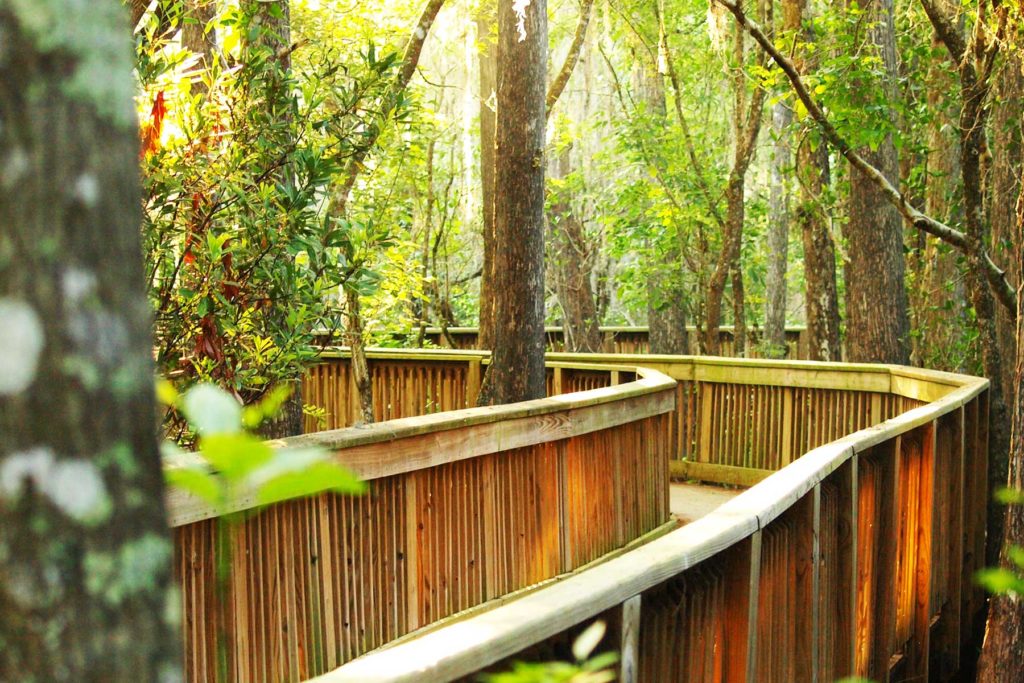
Drive the Loop Road or the Turner River Road for some of the easiest alligator and wading-bird viewing in Florida, and pull over at the Oasis Visitor Center, where alligators gather right below the boardwalk.
4. Dry Tortugas National Park (Separate Trip)
From Miami: About 3 hours 30 minutes to 4 hours to Key West, then a ferry or seaplane. Fee: $15 per person park fee; the Yankee Freedom ferry runs about $250 per person.
This is the marquee adventure and the one worth planning a real trip around. Dry Tortugas sits 70 miles west of Key West in the Gulf, a cluster of coral islands crowned by Fort Jefferson, a massive 19th-century brick fortress. The snorkeling over the surrounding reefs and seagrass is some of the best in the country.
Logistics that matter: You cannot drive here. The Yankee Freedom ferry from Key West runs roughly $250 per person and includes the park fee, breakfast, lunch, and snorkel gear, with about four hours on the island. A seaplane is faster but pricier, with a half-day around $500 and a full day near $890 plus the park fee. Book the ferry weeks ahead, because it sells out.
READ MORE: Dry Tortugas National Park Facts
Honest caveat: Between the four-hour drive to Key West and the boat schedule, this is effectively a two- or three-day trip. Stay a night or two in Key West and build the whole getaway around it.
5. Canaveral National Seashore (Overnight)
Drive from Miami: About 3 hours 30 minutes to 4 hours via Florida’s Turnpike. Fee: $25 per vehicle.
Up the Atlantic coast near the Kennedy Space Center, Canaveral protects 24 miles of undeveloped barrier-island beach, the longest stretch of wild coast left in Florida. It is a sea turtle nesting ground, a manatee haven, and a front-row seat for rocket launches.

Honest caveat: At nearly four hours, this is not a Miami day trip. Pair it with the Space Coast or an Orlando visit and make it an overnight.
6. De Soto National Memorial (Across The State)
Drive from Miami: About 3 hours 30 minutes to 4 hours via I-75 N to Bradenton. Fee: Free.
On the Gulf side near Bradenton, this small memorial marks the 1539 landing of conquistador Hernando de Soto and the start of his brutal expedition through the Southeast. The half-mile nature trail winds through mangroves along the Manatee River, and costumed rangers demonstrate 16th-century life in season.
Honest caveat: This is clear across the state from Miami and is a modest site. Only worth it if you are already visiting the Gulf Coast.
More Things To Do Near Miami
- Florida Keys stretch south from Miami with John Pennekamp Coral Reef State Park, the first underwater park in the country, an easy reef day before Dry Tortugas.
- Shark Valley in the northern Everglades has a 15-mile loop you can bike or tram, with an observation tower over the sawgrass.
- Bill Baggs Cape Florida State Park on Key Biscayne has a historic lighthouse and calm swimming beaches close to downtown.
- Everglades National Park boat tours from Flamingo are the best way to spot crocodiles and manatees if you want to be on the water.
READ MORE: East Coast National Parks
Three national park sites sit about an hour from Miami: Everglades National Park, Biscayne National Park, and Big Cypress National Preserve. Everglades and Big Cypress are easy drive-in day trips, while Biscayne is mostly water and needs a boat or guided tour to experience.
You cannot drive to Dry Tortugas. Drive about 3 hours 30 minutes to 4 hours to Key West, then take the Yankee Freedom ferry (about $250 per person, including the park fee, meals, and snorkel gear) or a seaplane (from roughly $500 for a half day). Because of the distance and boat schedule, it is best planned as a two- or three-day trip.
You should know that this guide does not come out of thin air. More Than Just Parks is a family operation. My sons Will and Jim have spent their adult lives exploring and filming America’s national parks and public lands destinations, working with the National Park Service, the Department of the Interior, the USDA, and the U.S. Forest Service for years on films about important places and issues. Their work has been featured in leading publications around the world, and even a few people outside our immediate family call them experts on the national parks. I taught American history for 25 years, and I write our history and travel guides.


