
Established
1919
Size
49,075 acres
Visitors / yr
4M
Entrance
$35
Best season
May through October
Nearest airport
BHB Hancock County-Bar Harbor
01
Why Acadia is worth the trip
Maine · Established 1919
Acadia is where the mountains actually meet the Atlantic. Pink granite domes drop straight into cold surf on Mount Desert Island, and from October through March the summit of Cadillac Mountain catches the first sunrise in the United States. This was the first national park east of the Mississippi, pieced together from donated land in 1919, and it still feels handmade. The 45 miles of carriage roads John D. Rockefeller Jr. built for horse and buggy make it one of the few parks you can genuinely explore by bike.
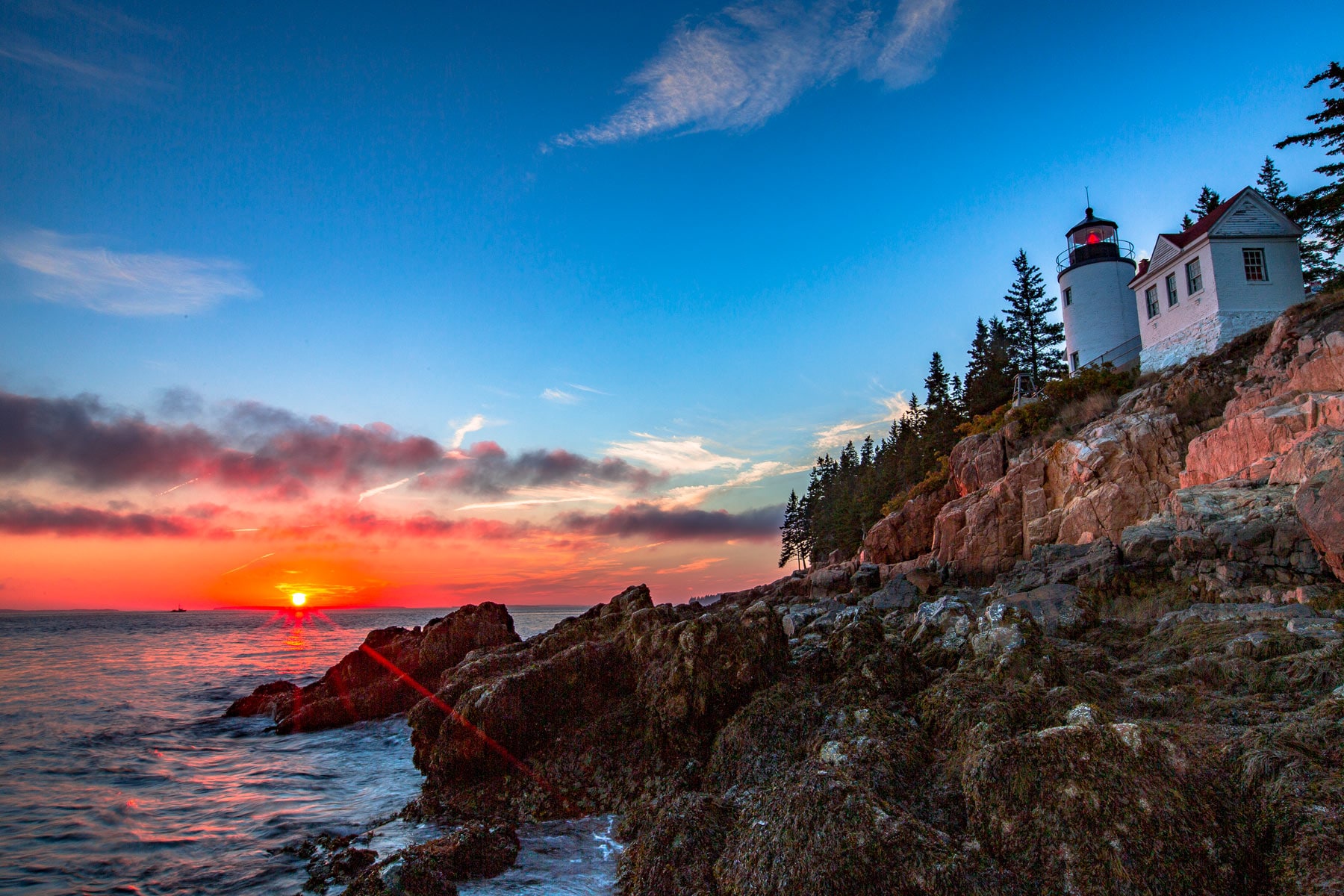
The scale is the secret. You can watch dawn from Cadillac, hike the Beehive, eat popovers at Jordan Pond House, and still make Bass Harbor Head Lighthouse by sunset. Come in September, when the crowds thin, the water is still swimmable, and the light turns the granite pink for real.
Start with our full Acadia guide, then use the planning below.
02
Top things to do in Acadia
Where we would start, and what we would plan a day around. Read the full guide.

Start here
15 Things to Do in Acadia National Park
Read the guide
01
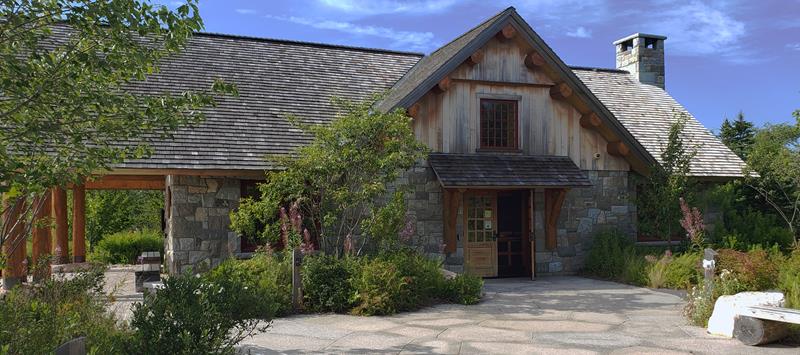 Self-Guided Tours - Auto · nps.gov
Waysides at Schoodic Woods Ranger Station
There are two waysides featured on a wall at the Schoodic Woods Ranger Station. "Exploring Schoodic," offers an aerial view of a peninsula with...
02
Self-Guided Tours - Auto · nps.gov
Waysides at Schoodic Woods Ranger Station
There are two waysides featured on a wall at the Schoodic Woods Ranger Station. "Exploring Schoodic," offers an aerial view of a peninsula with...
02
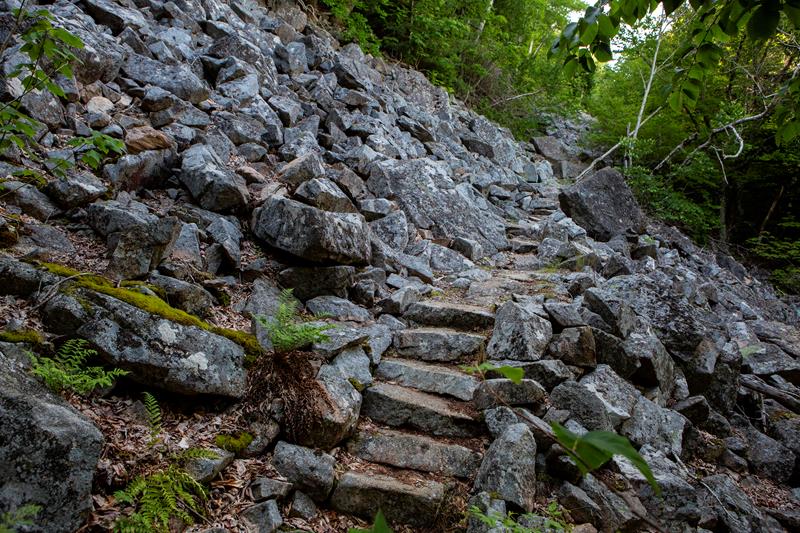 Hiking · nps.gov
Hike Perpendicular and Razorback Loop
The loop features a gravel shoreline path along Long Pond and a steep ascent on granite staircase of over 300 stone steps built by...
03
Hiking · nps.gov
Hike Perpendicular and Razorback Loop
The loop features a gravel shoreline path along Long Pond and a steep ascent on granite staircase of over 300 stone steps built by...
03
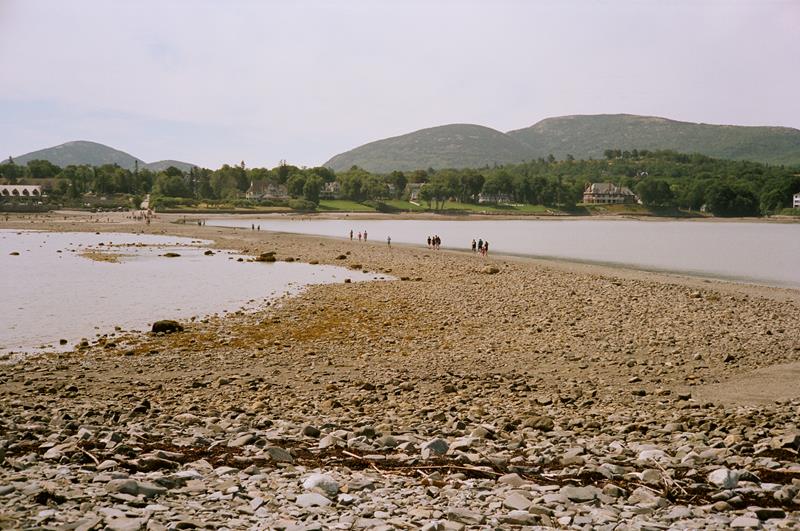 Hiking · nps.gov
Hike Bar Island Trail
Walk along a gravel sand bar during low tide to reach Bar Island. Once on the island, hike another mile to the highest point...
04
Hiking · nps.gov
Hike Bar Island Trail
Walk along a gravel sand bar during low tide to reach Bar Island. Once on the island, hike another mile to the highest point...
04
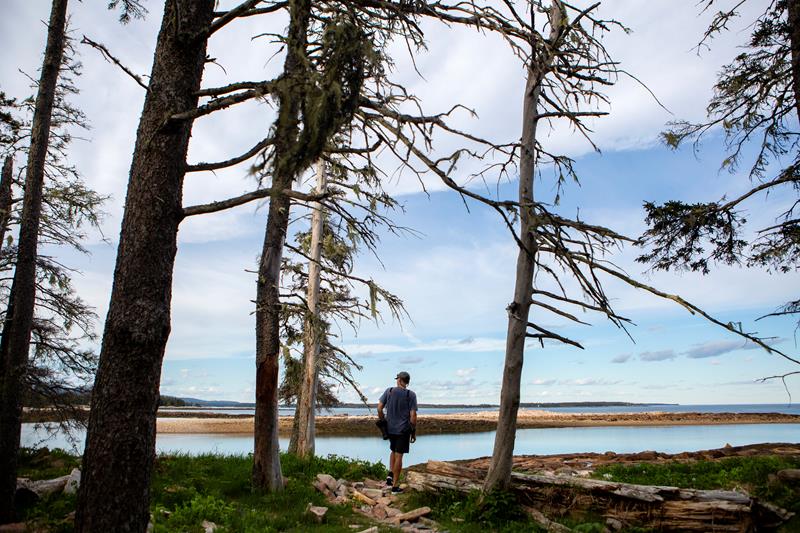 Hiking · nps.gov
Hike Wonderland Trail
This 1.4 out and back trail on an old gravel fire road is family-friendly and provides direct access to the coastline with birding opportunities.
Hiking · nps.gov
Hike Wonderland Trail
This 1.4 out and back trail on an old gravel fire road is family-friendly and provides direct access to the coastline with birding opportunities.
Self-Guided Tours - Auto · nps.gov
Waysides at Schoodic Woods Ranger Station
There are two waysides featured on a wall at the Schoodic Woods Ranger Station. "Exploring Schoodic," offers an aerial view of a peninsula with...
02
Hiking · nps.gov
Hike Perpendicular and Razorback Loop
The loop features a gravel shoreline path along Long Pond and a steep ascent on granite staircase of over 300 stone steps built by...
03
Hiking · nps.gov
Hike Bar Island Trail
Walk along a gravel sand bar during low tide to reach Bar Island. Once on the island, hike another mile to the highest point...
04
Hiking · nps.gov
Hike Wonderland Trail
This 1.4 out and back trail on an old gravel fire road is family-friendly and provides direct access to the coastline with birding opportunities.
03
Best hikes in Acadia
The trails that define the park, with the distance and elevation numbers that decide your day.
1
The Beehive Loop
The best hike in Acadia, a steep climb on iron rungs.
2
Precipice Trail
Iron rungs up the near vertical face of Champlain Mountain.
3
Jordan Pond Loop
The best flat hike in Acadia, around the park's clearest water.
4
Schoodic Peninsula Trails
A coastal ramble on the quiet mainland side of the park.
5
Gorham Mountain Trail
Big coastal views on open granite without the rungs and ladders.
Before you go
Get the Acadia heads-up
Permit windows, closures and seasonal alerts, plus our best Acadia guides, in your inbox before you go. Free, no spam.
04
Plan your trip
Our guides for the big decisions, plus the gear, maps and lodging we would actually use for Acadia.
Where to stay
Gateway towns with lodging, food and outfitters.
Maps & guides
Carry paper. Cell service dies fast inside most parks.
America the Beautiful pass
$80 a year. Covers entrance fees at more than 2,000 federal recreation sites.
Get the pass
What to bring
Field-tested picks we bring on park trips.
-
Water ShoesQuick-drying grip for shorelines, slot canyons, and river crossings. View on REI
-
Dry BagKeep your phone, camera, and spare clothes dry near water. View on REI
-
Sun HatFull-brim coverage for exposed trails with zero shade. View on REI
-
BinocularsSpot wildlife from a safe distance without disturbing them. View on REI
Getting there
- BHB Hancock County-Bar Harbor 12 mi
- BGR Bangor International 48 mi
- PWM Portland International Jetport 165 mi
Some links in this section are affiliate links. If you book or buy through them we earn a small commission at no extra cost to you. We only recommend what we would use ourselves.
Acadia map
VC Visitor Center
CG Campground
Nearby Park
05
Read our seasonal guide
When to go
Loading weather...
Month-by-Month Conditions
Tap any month for details
Month
High
Low
Crowds
Roads
Jan
31°
14°
Low
Open
Feb
33°
15°
Low
Open
Mar
40°
23°
Low
Open
Apr
52°
33°
Low
Open
May Best
62°
42°
Moderate
Open
Jun Best
71°
51°
Peak
Open
Jul Best
78°
57°
Peak
Open
Aug Best
77°
56°
Peak
Open
Sep Best
69°
48°
Peak
Open
Oct Best
57°
38°
Peak
Open
Nov
45°
29°
Low
Open
Dec
35°
19°
Low
Open
Best months to visit
Crowd level (low to peak)

Watch our film
Acadia National Park 4K
We shot Acadia through peak fall color for the park's centennial, and it ruined every other autumn for us. The light off the granite coast at sunrise is the kind of thing you have to see to believe, so watch this one early in the morning with coffee.
Browse all our national park films06
More Acadia guides
National Parks
Best of National Parks
Is Acadia National Park Overrated? An Honest Take

National Parks
Acadia in Winter: A Field Guide (Yes, It’s Open)

National Parks
15 Best Hikes in Acadia National Park (+ Hiking Tips)
Educational Resources
12 Facts About Acadia National Park

National Parks
Summer in Acadia National Park

National Parks
Acadia National Park in Spring

National Parks
Is Precipice Trail in Acadia Really That Dangerous?

Videos
Acadia National Park (Video) by More Than Just Parks
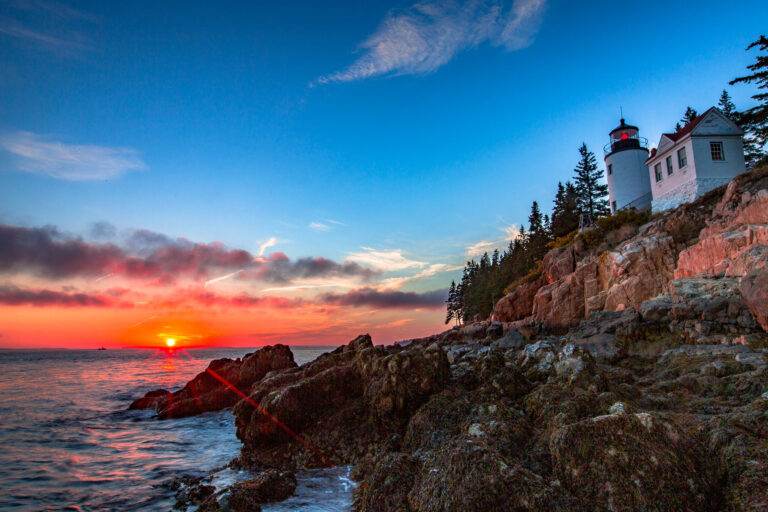
National Park Guides
Acadia National Park Guide
National Parks
15 Things to Do in Acadia National Park
07
Parks near Acadia
Within reach if you are building a longer trip.
Worth protecting
Acadia belongs to all of us
Protections that took generations to win can be rolled back in a single session of Congress. We keep watch so they hold.
Stay in the Loop
Free dispatches on the parks and the policy fights around them, almost every day. Threats tracked, wins celebrated, no fluff.
Threatened Lands Map
Follow what's happening on federal lands across the country with our interactive map.
View the Tracker