
FWS opens hunting and fishing on 111 wildlife refuges and hatcheries
National Wildlife Refuge System; 2026-2027 Station-Specific Hunting and Sport Fishing Regulations
Fish and Wildlife Service· National Wildlife Refuge System (107 units, unspecified), National Fish Hatchery System (4 units, unspecified)Federal Register 2026-17895 ↗
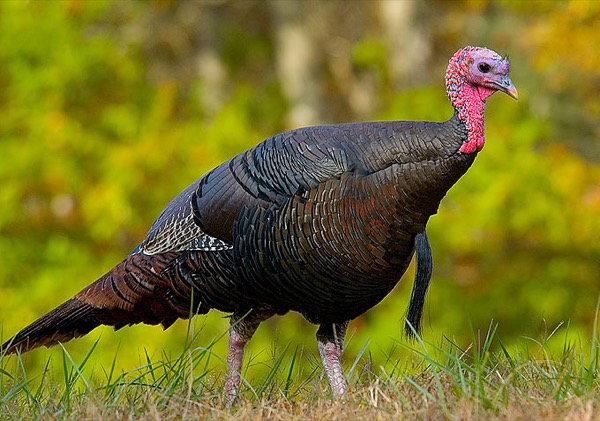
Wildlife refuges and hatcheries created to protect animals would face expanded hunting and fishing pressure.
What’s at risk
Wildlife on 107 National Wildlife Refuges and 4 National Fish Hatcheries face new or expanded hunting and fishing, including 14 refuges and 3 hatcheries opened for the first time. These are lands designated for wildlife protection, and expanded take adds pressure to species those units were established to shelter.
If this goes through
More than 1,450 new or expanded hunting and fishing opportunities would be permanently added across the National Wildlife Refuge System and National Fish Hatchery System starting in the 2026-2027 season.
Our plain-English read of the official notice ↗. Check it against the agency’s own words below.
5 holes in the agency’s own analysis
What the public could have raised, from the agency’s own document
- I oppose this action as proposed, and I ask the agency to weigh the specific harms below.
- The document proposes to rescind lead-ammunition restrictions finalized in 2022 and 2023 at nine refuges and to reverse lead restrictions at an additional 25 stations, but the cumulative impacts analysis relies entirely on station-level EAs and CatExs rather than conducting any independent aggregate analysis of the combined increase in lead deposition across all 34 affected stations. Section III(10) acknowledges a documented risk of lead exposure to bald and golden eagles through scavenging gut piles, yet the conclusion is simply that impacts will be 'negligible.' No quantitative estimate of the additional lead entering refuge environments is provided. The agency should either prepare an EIS that quantifies the cumulative lead load across all 34 stations collectively, or at minimum publish the site-specific data underlying each individual station determination so the public can assess…
- The document's entire cumulative-impacts methodology rests on rolling up station-level EAs and CatExs rather than conducting a genuinely independent national-level analysis. Section III states that the report 'evaluates the cumulative impacts of the actions to the aforementioned components for both stations and for Service lands as a whole,' but every resource category concludes by simply restating that none of the station-specific documents found significant impacts. This is circular: the national review adds no independent analytical content beyond aggregating station-level no-significant-impact findings. A district court ordered this cumulative analysis precisely because the station-level documents were insufficient standing alone. The agency should conduct an independent, non-circular national cumulative analysis that goes beyond summarizing station-specific conclusions.
- The document proposes opening the first-ever hunting or sport fishing opportunities at 14 NWRs and three NFHs, but these first-ever openings are processed through CatExs rather than EAs or an EIS. The report acknowledges that CatExs receive a less rigorous NEPA review than EAs, yet provides no explanation of why actions that are by definition unprecedented at those specific stations do not warrant at minimum an EA to assess whether extraordinary circumstances exist. The agency should justify in writing why each first-ever opening qualifies for a CatEx rather than an EA, identifying what extraordinary-circumstances screening was performed.
- The document proposes to rescind previously finalized non-lead ammunition regulations that had gone through their own notice-and-comment rulemaking in 2022 and 2023 and were scheduled to take effect September 1, 2026, but provides no analysis of what scientific or legal basis justifies reversal of those prior agency findings. Section III(10) merely states that the Service 'is proposing to rescind these regulations' and that it 'also planned or implemented lead-ammunition restrictions for certain game species at individual refuges that we are now proposing to reverse in order to align to State regulations,' without explaining why alignment with state regulations overrides the Service's own prior scientific determinations about lead toxicity. The agency should publish its reasoning for why the scientific record that supported the 2022-2023 rules no longer supports those restrictions, or…
Show all 7 points from the document
- The document repeatedly invokes adaptive management and annual review as the safeguard against accumulating negative impacts, stating that 'these required planning and management processes ensure that negative impacts will not accumulate over time.' However, the document provides no data on whether adaptive management interventions have ever actually been triggered at any of the currently open stations, what thresholds would prompt a closure or restriction, or what monitoring data are collected and reviewed annually. Citing adaptive management as a safeguard without disclosing monitoring protocols, trigger points, or a track record of implementation is not a reasoned basis for a no-significant-impact conclusion. The agency should publish the specific monitoring metrics and population thresholds that would trigger program modifications at the 111 stations, and should provide the…
- Say something only you can say. The law requires the agency to consider and respond to substantive comments, and specifics are what make a comment substantive.
In the agency’s own words
We, the U.S. Fish and Wildlife Service (FWS or Service), open or expand hunting opportunities on 111 field stations, including 107 units of the National Wildlife Refuges System (Refuge System or NWRS) and 4 units of the National Fish Hatchery System (Hatchery System or NFHS). This includes opening hunting or sport fishing opportunities for the first time on 14 National Wildlife Refuges (NWR) and 3 National Fish Hatcheries (NFH). These actions will open or expand more than 1,450 opportunities for hunting and fishing across the NWRS and NFHS in order to increase access for the American public. In accordance with Se…
Did the agency answer?
5 issues are on this record. The agency has not published its decision document yet, so each one stays pending until the agency answers.
Issues on the record, awaiting the decision
- PendingThe document proposes to rescind lead-ammunition restrictions finalized in 2022 and 2023 at nine refuges and to reverse lead restrictions at an additional 25 stations, but the cumulative impacts analy
The document proposes to rescind lead-ammunition restrictions finalized in 2022 and 2023 at nine refuges and to reverse lead restrictions at an additional 25 stations, but the cumulative impacts analysis relies entirely on station-level EAs and CatExs rather than conducting any independent aggregate analysis of the combined increase in lead deposition across all 34 affected stations. Section III(10) acknowledges a documented risk of lead exposure to bald and golden eagles through scavenging gut piles, yet the conclusion is simply that impacts will be 'negligible.' No quantitative estimate of the additional lead entering refuge environments is provided. The agency should either prepare an EIS that quantifies the cumulative lead load across all 34 stations collectively, or at minimum publish the site-specific data underlying each individual station determination so the public can assess the aggregate impact.
A hole PLAN found in the agency’s own analysis, quote verified against the document
- PendingThe document's entire cumulative-impacts methodology rests on rolling up station-level EAs and CatExs rather than conducting a genuinely independent national-level analysis.
The document's entire cumulative-impacts methodology rests on rolling up station-level EAs and CatExs rather than conducting a genuinely independent national-level analysis. Section III states that the report 'evaluates the cumulative impacts of the actions to the aforementioned components for both stations and for Service lands as a whole,' but every resource category concludes by simply restating that none of the station-specific documents found significant impacts. This is circular: the national review adds no independent analytical content beyond aggregating station-level no-significant-impact findings. A district court ordered this cumulative analysis precisely because the station-level documents were insufficient standing alone. The agency should conduct an independent, non-circular national cumulative analysis that goes beyond summarizing station-specific conclusions.
A hole PLAN found in the agency’s own analysis, quote verified against the document
- PendingThe document proposes opening the first-ever hunting or sport fishing opportunities at 14 NWRs and three NFHs, but these first-ever openings are processed through CatExs rather than EAs or an EIS.
The document proposes opening the first-ever hunting or sport fishing opportunities at 14 NWRs and three NFHs, but these first-ever openings are processed through CatExs rather than EAs or an EIS. The report acknowledges that CatExs receive a less rigorous NEPA review than EAs, yet provides no explanation of why actions that are by definition unprecedented at those specific stations do not warrant at minimum an EA to assess whether extraordinary circumstances exist. The agency should justify in writing why each first-ever opening qualifies for a CatEx rather than an EA, identifying what extraordinary-circumstances screening was performed.
A hole PLAN found in the agency’s own analysis, quote verified against the document
- PendingThe document proposes to rescind previously finalized non-lead ammunition regulations that had gone through their own notice-and-comment rulemaking in 2022 and 2023 and were scheduled to take effect S
The document proposes to rescind previously finalized non-lead ammunition regulations that had gone through their own notice-and-comment rulemaking in 2022 and 2023 and were scheduled to take effect September 1, 2026, but provides no analysis of what scientific or legal basis justifies reversal of those prior agency findings. Section III(10) merely states that the Service 'is proposing to rescind these regulations' and that it 'also planned or implemented lead-ammunition restrictions for certain game species at individual refuges that we are now proposing to reverse in order to align to State regulations,' without explaining why alignment with state regulations overrides the Service's own prior scientific determinations about lead toxicity. The agency should publish its reasoning for why the scientific record that supported the 2022-2023 rules no longer supports those restrictions, or prepare an EIS that directly compares the two positions.
A hole PLAN found in the agency’s own analysis, quote verified against the document
- PendingThe document repeatedly invokes adaptive management and annual review as the safeguard against accumulating negative impacts, stating that 'these required planning and management processes ensure that
The document repeatedly invokes adaptive management and annual review as the safeguard against accumulating negative impacts, stating that 'these required planning and management processes ensure that negative impacts will not accumulate over time.' However, the document provides no data on whether adaptive management interventions have ever actually been triggered at any of the currently open stations, what thresholds would prompt a closure or restriction, or what monitoring data are collected and reviewed annually. Citing adaptive management as a safeguard without disclosing monitoring protocols, trigger points, or a track record of implementation is not a reasoned basis for a no-significant-impact conclusion. The agency should publish the specific monitoring metrics and population thresholds that would trigger program modifications at the 111 stations, and should provide the historical record of any such triggers being exercised.
A hole PLAN found in the agency’s own analysis, quote verified against the document
The reporting behind this
From More Than Just ParksMore actions that need you
Go deeper, free
See how your members of Congress vote on public lands
Every representative, graded on the votes that decide the fate of parks, forests, and refuges.
Open ↗The mapSee the places under active threat
A live map of the parks, monuments, and wild country in the crosshairs right now.
Open ↗A wrong fact, a dead link, a form that wouldn’t take your letter: one tap and it comes to the people who build PLAN, with this fight attached.
Know an open comment period we are missing, or spotted a wrong deadline? .