


Charlotte has exactly one great national park within range, and it is genuinely great. The Great Smoky Mountains sit about three hours west, close enough for a real weekend. Everything else on this list is a different animal: a couple of historic sites and battlefields you can knock out in an afternoon, and two Outer Banks seashores that are a five-plus-hour haul better saved for a beach week than a day trip.
So the honest math is simple. Only the Smokies is worth building a trip around. The rest are add-ons, and where you put them depends on which direction you are already driving. I have ranked all six by what you actually get for the time in the car, best value first. Drive times are one-way from uptown Charlotte.
National Parks Near Charlotte At A Glance
| Destination | NPS Designation | Drive Time (one-way) | Worth The Drive? |
|---|---|---|---|
| Great Smoky Mountains National Park | National Park | About 3 hours (190 miles) | Yes. The headline trip and the only true national park on this list. |
| Appalachian National Scenic Trail | National Scenic Trail | About 2 hours to nearest access | Yes, for a day hike. You reach it through the mountains anyway. |
| Carl Sandburg Home | National Historic Site | About 2 hours (110 miles) | Worth it as an add-on near Asheville, not a stand-alone drive. |
| Moores Creek National Battlefield | National Battlefield | About 3 hours (190 miles) | Only if you are a Revolution buff or already near Wilmington. |
| Cape Hatteras National Seashore | National Seashore | About 5.5 to 6 hours (350+ miles) | A real haul. Save it for an Outer Banks beach week. |
| Cape Lookout National Seashore | National Seashore | About 5.5 hours plus a ferry | Even farther, ferry-only access. Most remote of the bunch. |
1. Great Smoky Mountains National Park
Drive from Charlotte: About 3 hours (roughly 190 miles) west via US-74 to the Cherokee, North Carolina entrance.
This is the reason Charlotte makes a good base for a parks trip. Great Smoky Mountains National Park straddles the Tennessee and North Carolina line, covers about 522,000 acres, and is the most visited national park in the country. From Charlotte you can be at the Cherokee entrance in roughly three hours, which puts a genuine wilderness of hardwood forest, clear streams, and high ridgelines within easy weekend range.
117 public lands destinations are under threat. Get the free briefing that 27,000+ people use to stay informed and take action.
The park has more than 800 miles of trails, including a stretch of the Appalachian Trail, plus the Newfound Gap Road that climbs over the crest into Tennessee. The highest point is Kuwohi, the peak long known as Clingmans Dome and officially restored to its Cherokee name in 2024. The observation tower up there gives you a 360-degree view when the weather cooperates, which in the Smokies is not a given.

Honest caveat on 2026: the park itself has no entrance fee, but you now need a Parking Tag to leave a vehicle for more than 15 minutes. As of 2026 the rates are $5 daily, $15 weekly, or $40 annual, sold at park kiosks, visitor centers, and on recreation.gov. Vehicles passing through or parking under 15 minutes are exempt. Crowds are real on the Tennessee side and along Cades Cove, but the park does not feel as overrun as Zion or Yosemite, especially on the North Carolina side you will be entering from Charlotte.
Go in October if you can. The fall color here is the best argument for the whole trip, and it is why More Than Just Parks filmed the park during peak season. For more, here are our facts and planning notes on Great Smoky Mountains.

Watch Our Great Smoky Mountains Film

This film is the result of two weeks in the park by the Pattiz Brothers, shot entirely in 4K. They chose Great Smoky Mountains as their second park for its fall color, its wildlife, and its standing as the most visited national park in the country.

2. Appalachian National Scenic Trail
Drive from Charlotte: About 2 hours to the nearest access points in the mountains northwest of the city, longer if you aim for a specific trailhead.
The Appalachian National Scenic Trail, the A.T., runs about 2,190 miles from Springer Mountain in Georgia to Mount Katahdin in Maine, through 14 states. It is a unit of the National Park Service in name, but on the ground it is a footpath, not a park with a gate and a visitor center. You experience it one section at a time.
For Charlotte day-trippers the practical move is to pick a section in the western North Carolina mountains and do an out-and-back. The trail is marked with white blazes and dotted with shelters, and it passes through the high country of the Southern Appalachians and the Blue Ridge. The honest caveat is that there is no single Appalachian Trail destination to drive to. You are choosing a trailhead, so plan the specific hike before you leave, and note that the trail also runs right through the Smokies, which makes it easy to combine with the trip above.


3. Carl Sandburg Home National Historic Site
Drive from Charlotte: About 2 hours (roughly 110 miles) west via US-74 to Flat Rock, just south of Asheville.
Set expectations correctly here. This is a National Historic Site, not a national park, and you can see the heart of it in a half day. It preserves Connemara, the Flat Rock farm where poet Carl Sandburg lived from 1945 until his death in 1967. The grounds run about 264 acres with the house, outbuildings, gardens, and a few miles of easy trails up a small hill behind the home.
The house tour shows the Sandburg family’s rooms and his enormous personal library much as they left them. The site still keeps a small herd of dairy goats descended from the family’s animals, which is a hit with kids. Our honest take is that this is a fine stop, but treat it as an add-on to a Smokies or Asheville trip rather than a two-hour drive for its own sake. Tour the house if you can fit it; check hours and any tour ticketing before you go.

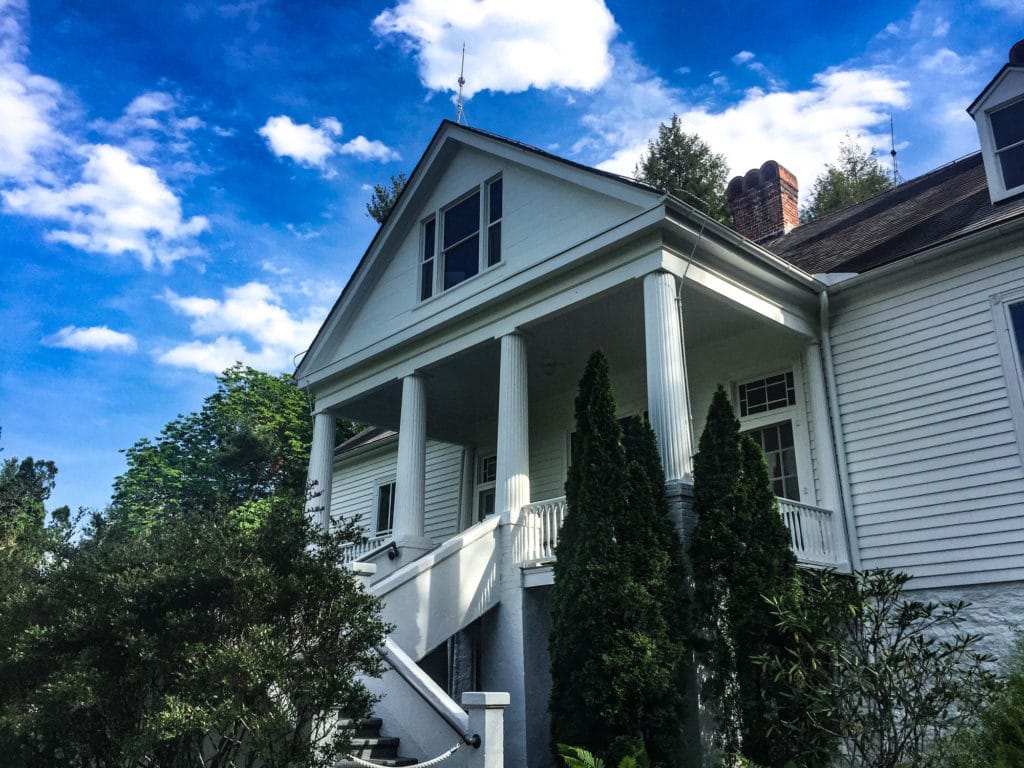
Sandburg was also a serious Lincoln biographer. His multi-volume life of the 16th president remains one of the most ambitious works ever written about an American leader, which gives the quiet farmhouse a heavier weight than it first appears. If you like this corner of American history, you may also enjoy our guide to the best Civil War sites in America.
4. Moores Creek National Battlefield
Drive from Charlotte: About 3 hours (roughly 190 miles) southeast via US-74 toward Wilmington.
Moores Creek National Battlefield protects the site of the Battle of Moores Creek Bridge, fought on February 27, 1776, early in the American Revolution. A force of about 1,000 North Carolina Patriots ambushed advancing Loyalists at the bridge, won decisively, and helped tip the colony firmly toward independence.
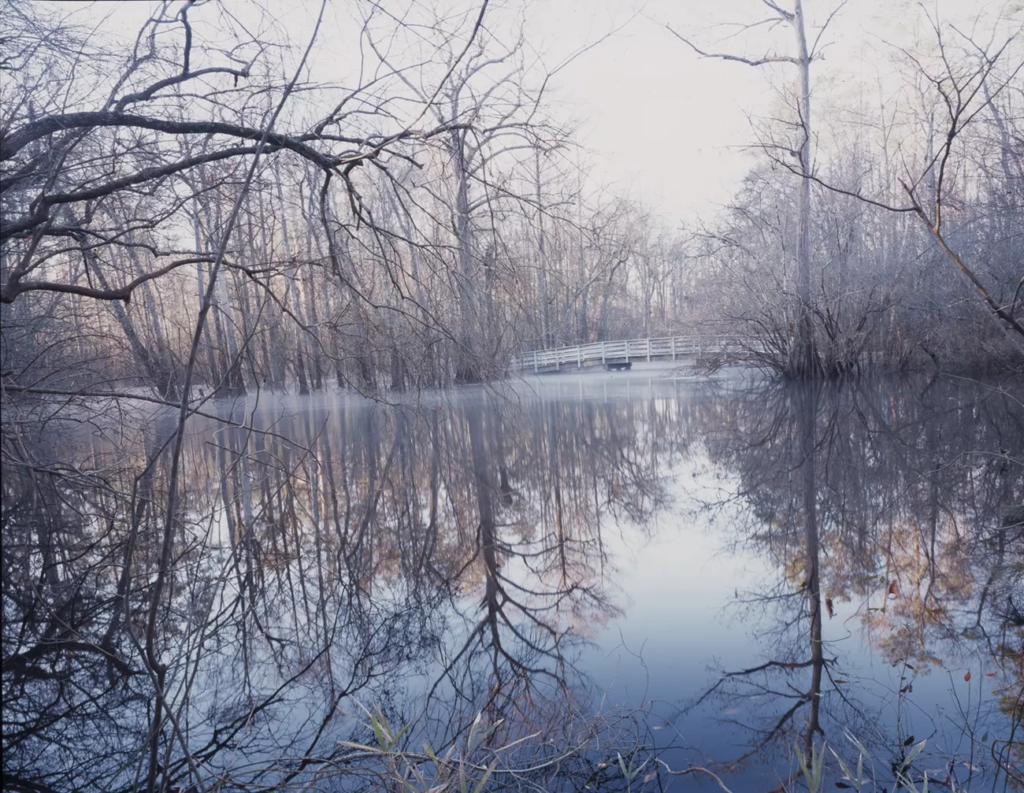
Today the battlefield has a visitor center with exhibits on the battle and a short, flat walking trail past the bridge site and monuments. It is a quiet, well-kept place, and you can see all of it in an hour or two. The honest caveat is the same as the historic site above. This is a focused stop for Revolution history fans, best paired with a trip to Wilmington or the coast rather than driven to on its own from Charlotte.
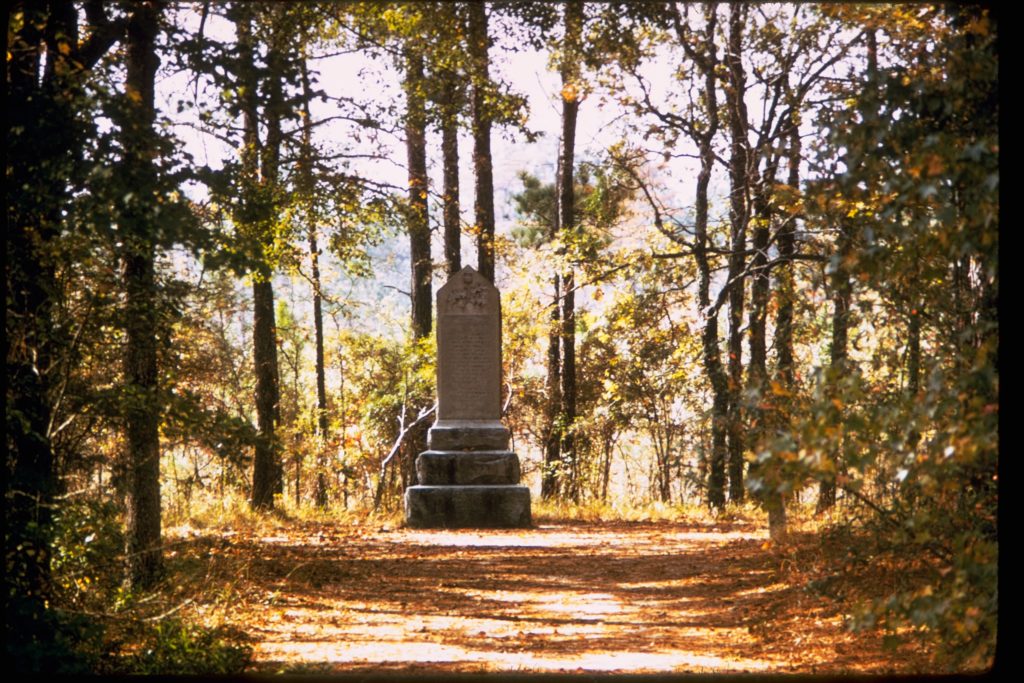
For more of this era, see our roundup of the best Civil War sites in America.
5. Cape Hatteras National Seashore
Drive from Charlotte: About 5.5 to 6 hours (350-plus miles) east to the Outer Banks via US-64.
Cape Hatteras National Seashore was the first national seashore in the country, protecting about 70 miles of undeveloped barrier-island beach along the Outer Banks. There is ocean swimming, some of the best surf on the East Coast, fishing from the surf and piers, and the iconic black-and-white spiral of the Cape Hatteras Lighthouse.

For a stretch of legs there are short trails too, like the 0.75-mile Buxton Woods loop through the maritime forest. The honest caveat is the drive. From Charlotte this is a full travel day each way, so do not treat it as a weekend dash. It is a great destination if you are committing to an Outer Banks beach week, far less so if you only have a couple of days.

6. Cape Lookout National Seashore
Drive from Charlotte: About 5.5 hours to the Harkers Island area via US-70, then a passenger ferry to reach the islands themselves.
Cape Lookout National Seashore is the wilder, harder-to-reach sibling of Cape Hatteras. It protects a chain of undeveloped barrier islands with no bridges, so you reach the beaches by ferry from Harkers Island or nearby towns. There is birding, primitive camping, fishing, the diagonal-checkered Cape Lookout Lighthouse, and the wild horses that roam free on Shackleford Banks.

Start at the Harkers Island Visitor Center to sort out ferry schedules and what is open before you commit to crossing. The honest caveat is that this is the most remote site on the list. Between the long drive and the ferry, it takes real planning, and there are no roads or developed trails on the islands once you arrive. It rewards people who want true quiet and do not mind primitive conditions.

Planning Your Trip From Charlotte
Best base for the mountains: Asheville. It sits about two hours west of Charlotte and puts you within an hour of the Carl Sandburg Home and within reach of the Smokies and Appalachian Trail access. If you want to wake up inside the park, the small towns of Cherokee and Bryson City on the North Carolina side are your closest gateways.
Best season: October for the Smokies, when the fall color peaks. Late spring brings wildflowers and full waterfalls. Summer is busiest in the mountains and best for the seashores, when the water is warm enough to swim.
Fees note: Great Smoky Mountains has no entrance fee, but the 2026 Parking Tag is required to park for more than 15 minutes ($5 daily, $15 weekly, $40 annual). The historic sites and battlefields here are generally free to enter, though some house tours may be ticketed. The seashores are free, but Cape Lookout requires a paid passenger ferry.
How to combine sites: Build one trip around the west and one around the east. To the west, pair the Smokies with the Appalachian Trail and the Carl Sandburg Home, using Asheville as a hub. To the east, save Cape Hatteras, Cape Lookout, and a stop at Moores Creek for a single Outer Banks beach week rather than separate long hauls.
My sons Will and Jim have filmed across the National Park System for years, working alongside the National Park Service, the Department of the Interior, the USDA, and the U.S. Forest Service. Their films have screened for audiences around the world. The drive times and fees above reflect 2026 conditions.


