
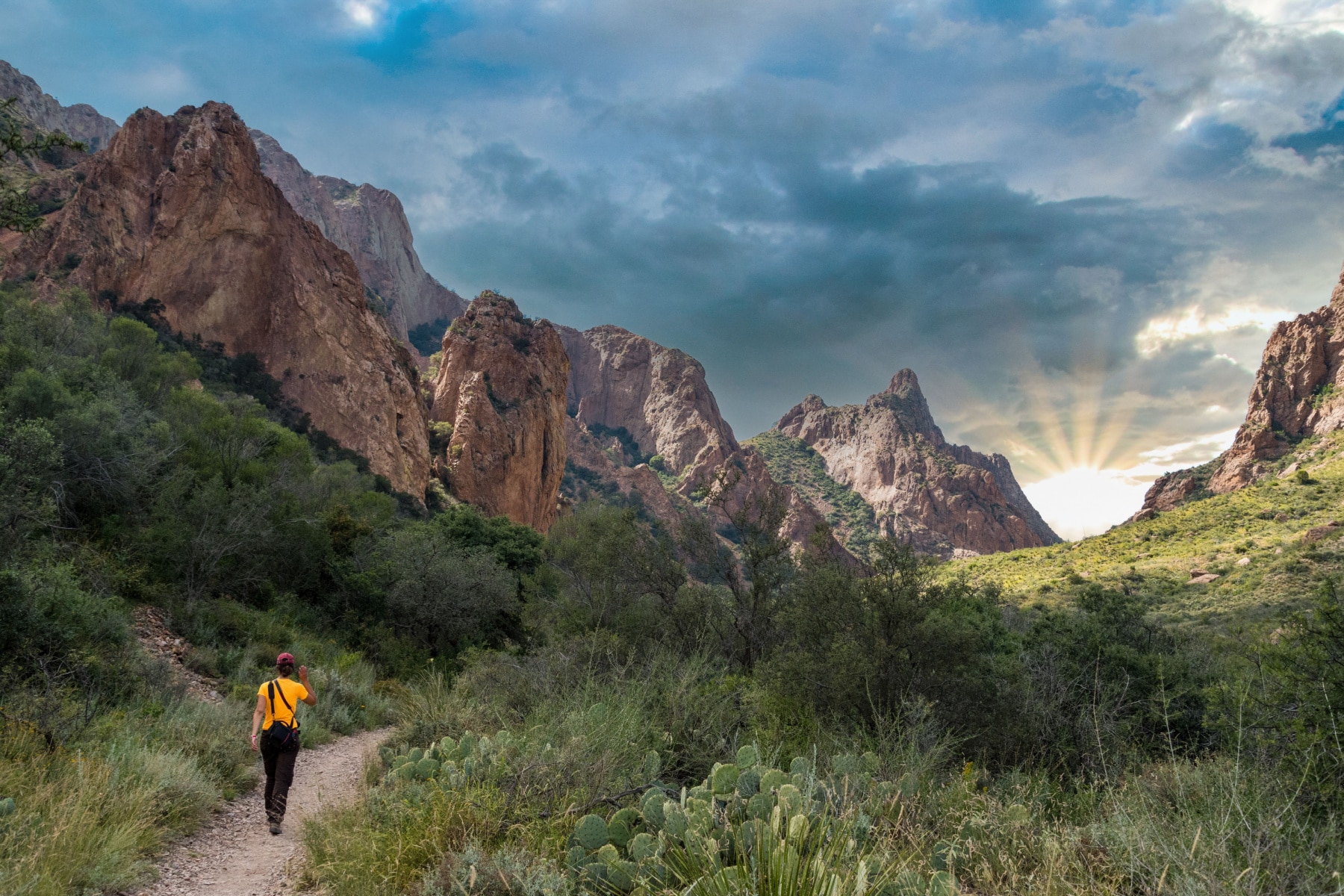


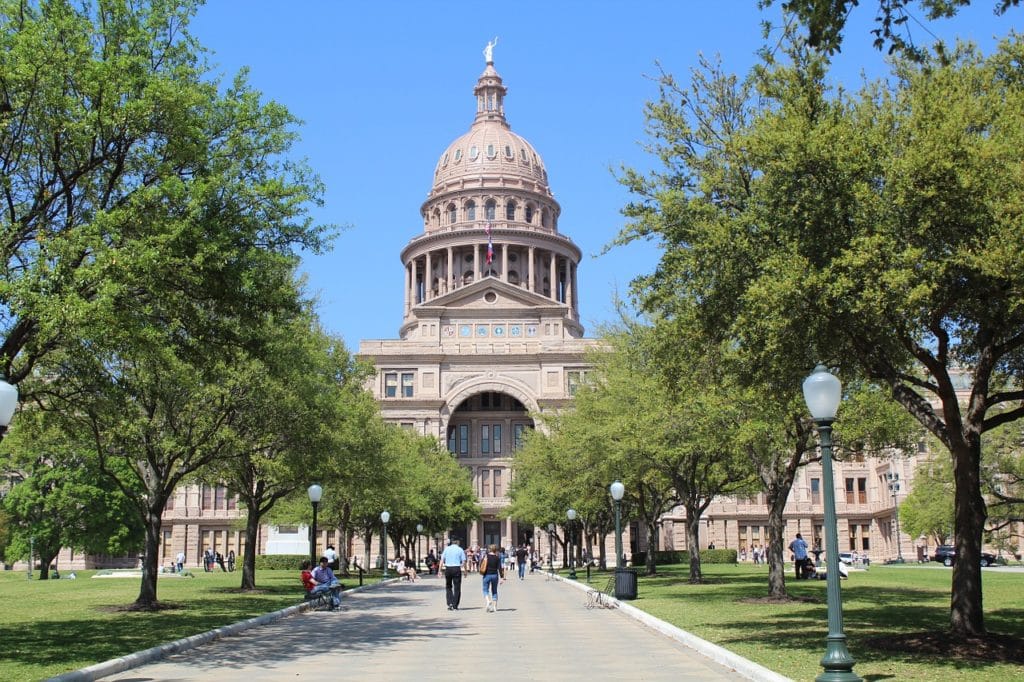
Here is the hard truth about national parks near Austin: the two units that carry the full “National Park” title, Big Bend and Guadalupe Mountains, both sit way out in West Texas, six to eight hours away. Neither is a weekend. The closest thing Austin has to an easy day trip is a presidential ranch about an hour west, and it is genuinely good.
So I would rather tell you that up front than pretend a National Seashore three and a half hours south counts as a quick getaway. The upside: the National Park Service runs seven units within a long day’s drive of Austin, and a few of them earn the miles.
Below I rank all seven by what you actually get for the drive, give the real NPS designation for each, and flag the 2026 closures and updates that could change your plans. More Than Just Parks has spent years filming these places, so when I call something a long haul or a quick historic stop, I mean it.
National Parks Near Austin At A Glance
Here are all seven NPS units, ranked by what you get for the drive. Times are one-way from central Austin and rounded to real driving reality.
117 public lands destinations are under threat. Get the free briefing that 27,000+ people use to stay informed and take action.
| Destination | Type (NPS Designation) | Drive Time (one-way) | Worth The Drive? |
|---|---|---|---|
| 1. Lyndon B. Johnson | National Historical Park | ~1 hr (50 mi) | Yes. The easy win and genuinely good. |
| 2. Big Bend | National Park | ~6.5 hrs (435 mi) | Yes, but only as a multi-day trip. See 2026 closure. |
| 3. Guadalupe Mountains | National Park | ~7.5 hrs (490 mi) | Yes, best paired with Carlsbad. Brutal drive alone. |
| 4. Padre Island | National Seashore | ~3.5 hrs (215 mi) | Yes for beach and turtles. A weekend, not a day. |
| 5. Big Thicket | National Preserve | ~4 hrs (245 mi) | Maybe. For paddlers and birders specifically. |
| 6. Amistad | National Recreation Area | ~3.5 hrs (235 mi) | Only if you want a boat day on the reservoir. |
| 7. Palo Alto Battlefield | National Historical Park | ~5 hrs (340 mi) | No, not on its own. Add it to a Rio Grande Valley trip. |
1. Lyndon B. Johnson National Historical Park
Drive from Austin: About 1 hour (50 miles) west on US-290 to Stonewall and Johnson City.
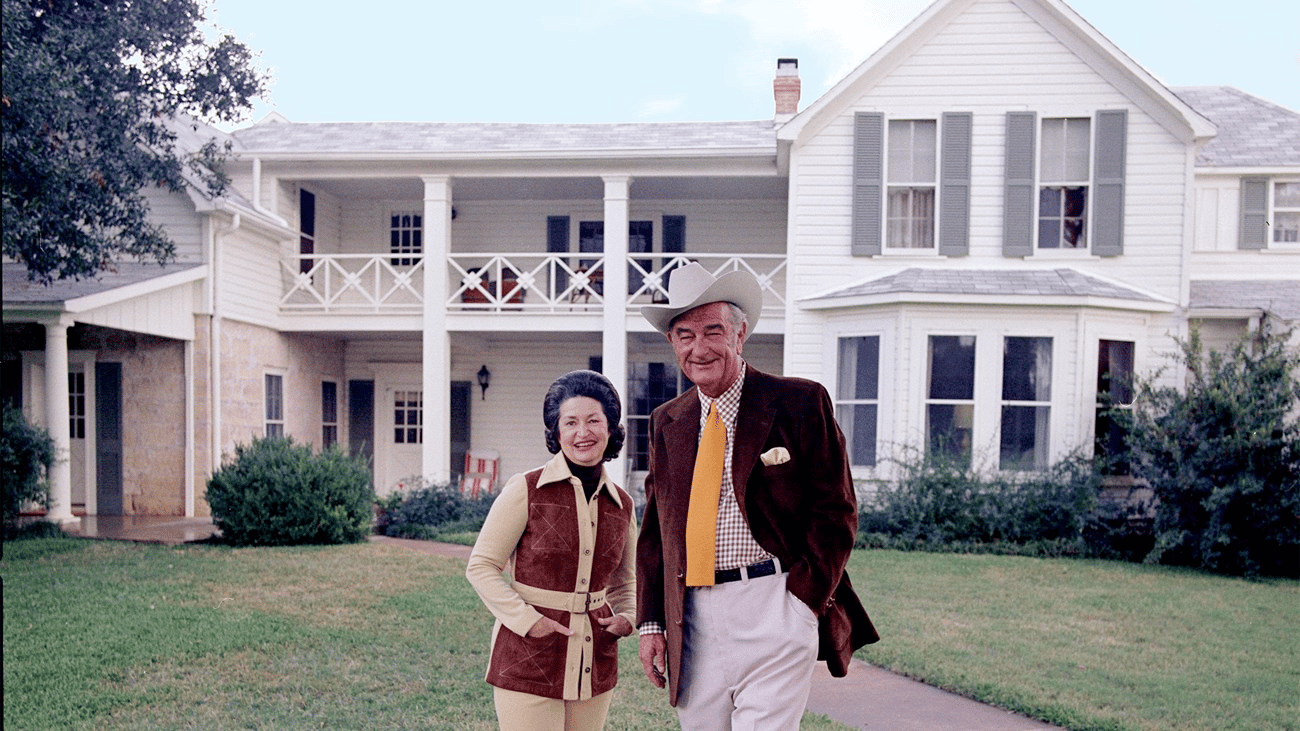
If you only have a day and you want a real National Park Service site, this is the one. The park preserves the life of the 36th president across two districts in the Hill Country, his reconstructed birthplace, his boyhood home in Johnson City, the one-room school he attended, and the LBJ Ranch he called the Texas White House. You can drive the ranch loop yourself, and the working cattle operation and the small herd descended from Johnson’s own Hereford cattle are still here.
One honest 2026 caveat. The Texas White House itself, the main ranch home, has been closed to interior tours since 2018 and is in the middle of a major structural rehabilitation. The latest projections point to interior tours reopening around 2027, not this year, so do not drive out expecting to walk through the house. The grounds, the ranch driving tour, the visitor centers, and the rest of the park remain open, and admission to the park is free.

The site tells the full arc, from Johnson’s ancestors to his final resting place in the family cemetery on the ranch. That start-to-finish picture of one American president is what makes the place stand out among presidential sites. If the place hooks you, the best companion is Robert Caro’s four-volume biography, The Years of Lyndon Johnson, which is about as deep as the research goes on any president.
2. Big Bend National Park
Drive from Austin: About 6.5 hours (435 miles) via I-10 W and US-385 or US-90.
This is the real thing, one of the two true national parks in Texas and one of the largest in the country at over 800,000 acres. The park stacks three landscapes on top of each other, the Chihuahuan Desert floor, the Chisos Mountains rising out of the middle of it, and the Rio Grande cutting the southern boundary through deep limestone canyons. You can hike to a mountain rim in the morning and float a river canyon in the afternoon.
It is also a full day of driving each way, so do not treat it as a weekend. Three or four days is the floor to make the trip worth it. Spring and fall are the seasons to go. Summer in the desert is punishing, and the park is remote enough that you fuel up, stock up on water, and plan before you leave pavement. For the full rundown, see our guide to things to do in Big Bend National Park.

One 2026 update worth knowing: the major rebuild of the Chisos Basin that was scheduled to begin May 1, 2026, was cancelled. In spring 2026 the park announced the multi-year, roughly $22 million project would not proceed, so the previously planned closure is off. The Chisos Mountains Lodge, the Basin campground, and the mountain trailheads like the Window and Lost Mine stay open, and the Basin Road is not closed for construction. The aging lodge and basin water system still face an uncertain future, so confirm current lodge, restaurant, and campground status with the park before you count on them. Between the cool Chisos and the desert, the Rio Grande district, and Santa Elena Canyon, the park is wide open in 2026.

3. Guadalupe Mountains National Park
Drive from Austin: About 7.5 hours (490 miles) via I-10 W and US-285.
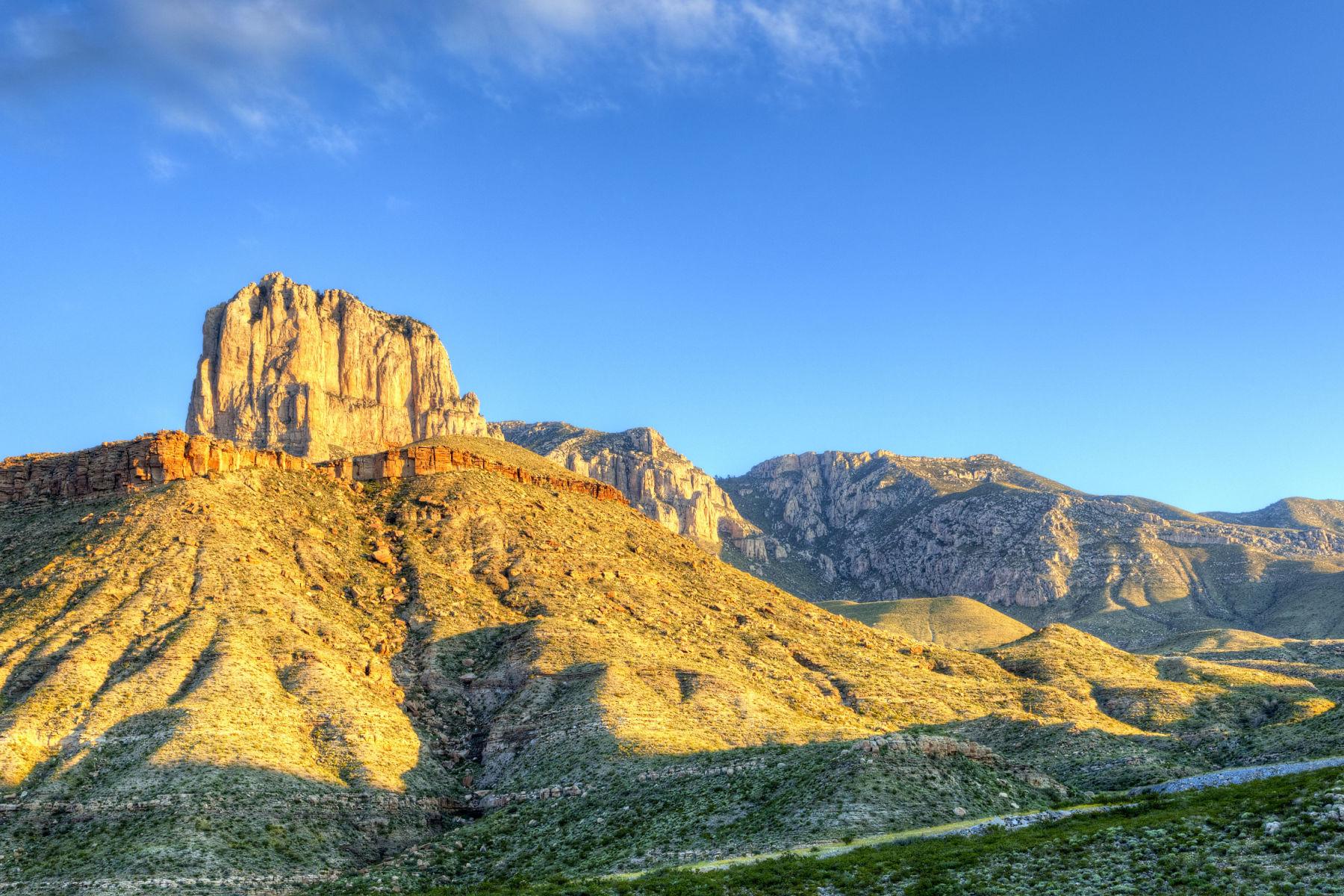
The second of the two real national parks in Texas, and the farthest of everything on this list. Guadalupe Mountains National Park protects the highest point in Texas, Guadalupe Peak at 8,751 feet, plus the rest of the highest mountain range in the state. The whole range is a fossil reef, the remains of an ancient inland sea, now standing as limestone cliffs and canyons.
The Guadalupe Peak hike is a strenuous full-day climb, and McKittrick Canyon turns gold with bigtooth maples for a couple of weeks in late October and early November, which draws a real crowd for that window. The honest pitch: at seven and a half hours from Austin, this is not a destination you drive to on its own. The smart move is to pair it with Carlsbad Caverns National Park, which is barely 40 minutes up the road in New Mexico, and build a longer Southwest loop. Driving out for one park this far is a hard sell.

4. Padre Island National Seashore
Drive from Austin: About 3.5 hours (215 miles) via I-35 S and TX-358, past Corpus Christi.
Worth saying clearly: this is a National Seashore, not a national park, but it is one of the better NPS units within reach of Austin. Padre Island protects roughly 70 miles of barrier island, the longest undeveloped stretch of barrier island left in the world. Beyond the developed Malaquite area, the beach is wild, and you can drive the sand for miles in the right vehicle and camp where you stop.
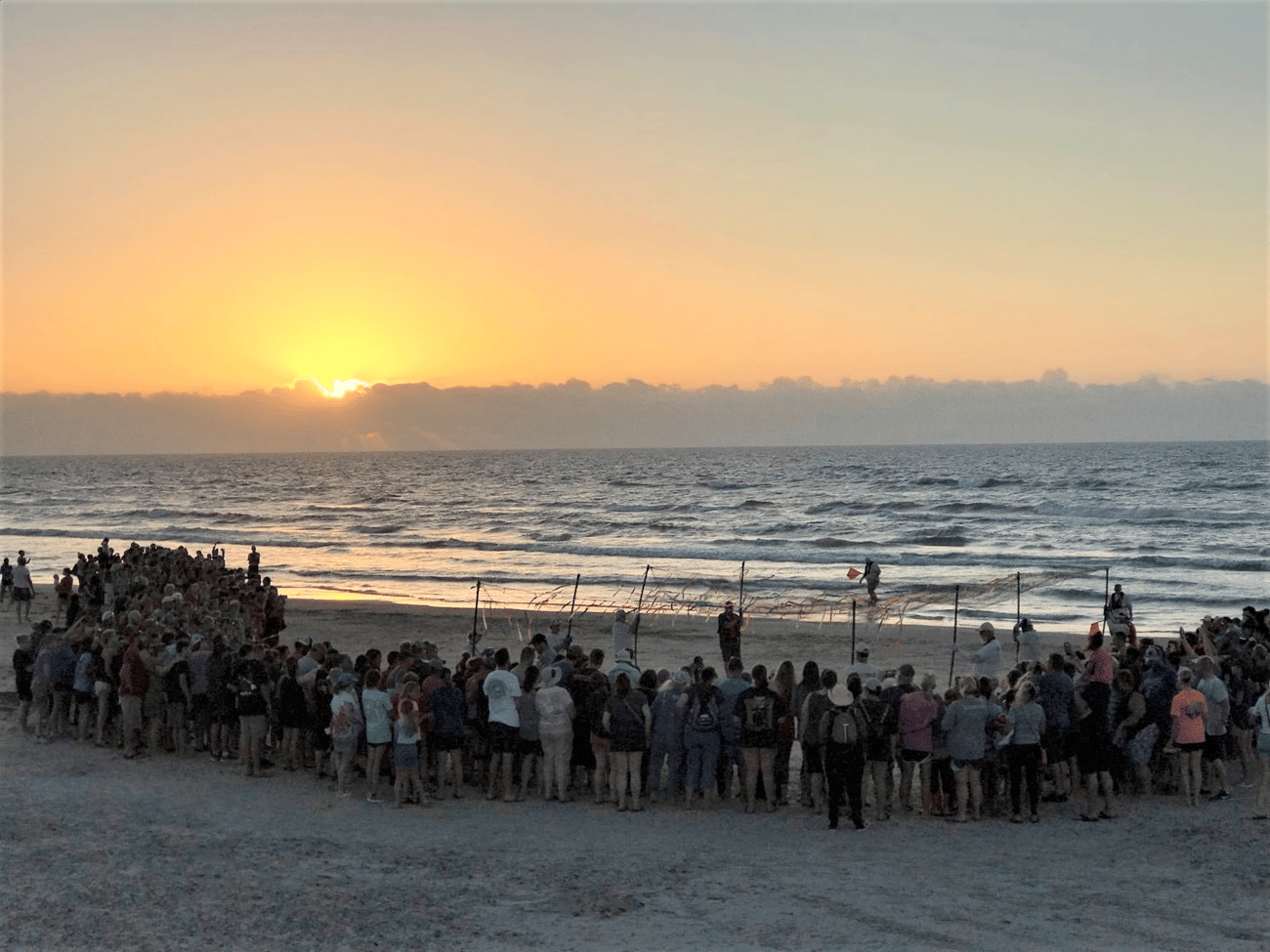
The signature reason to come is the Kemp’s ridley sea turtle. This is one of the only places where the public can watch hatchlings released to the Gulf. Public releases generally run from mid-June into August, usually early morning at Malaquite Beach, and they are weather-dependent and never guaranteed, so call the park’s hatchling hotline the night before. Entrance is $10 per vehicle, good for one day. Treat this as an overnight on the coast rather than a day trip, because three and a half hours each way for a beach is a long round trip.
5. Big Thicket National Preserve
Drive from Austin: About 4 hours (245 miles) via US-290 E and I-10 E toward Kountze.
Big Thicket is a National Preserve, not a park, and it is one of the most biologically diverse spots in the country. It sits at a crossroads of ecosystems, where eastern hardwood forest, southern swamp, and prairie meet, so you get carnivorous pitcher plants, cypress sloughs, and longleaf pine within a short distance of each other. Roughly 113,000 acres are spread across a scattered patchwork of units rather than one block, which is part of what makes it unusual.
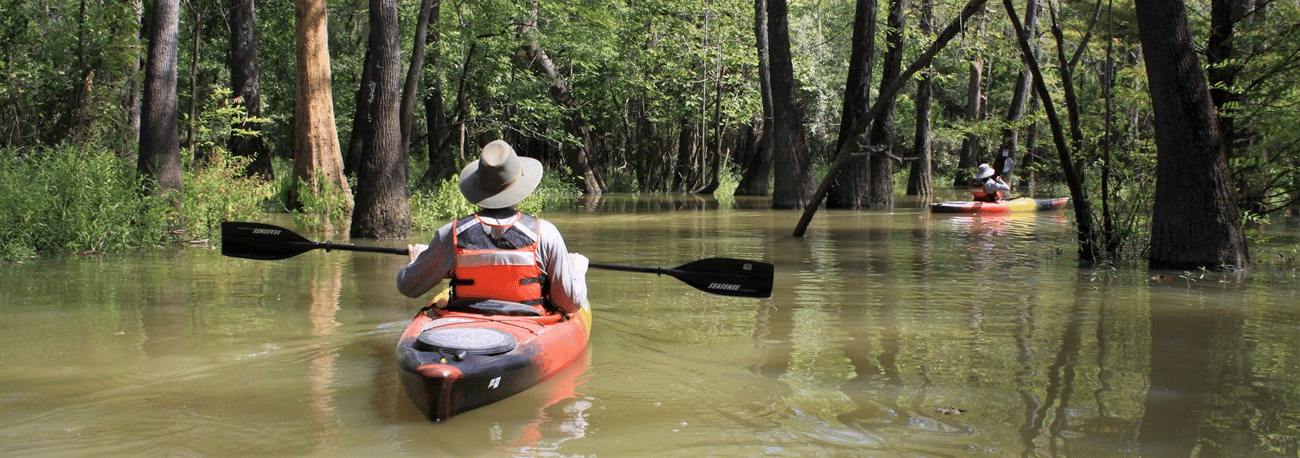
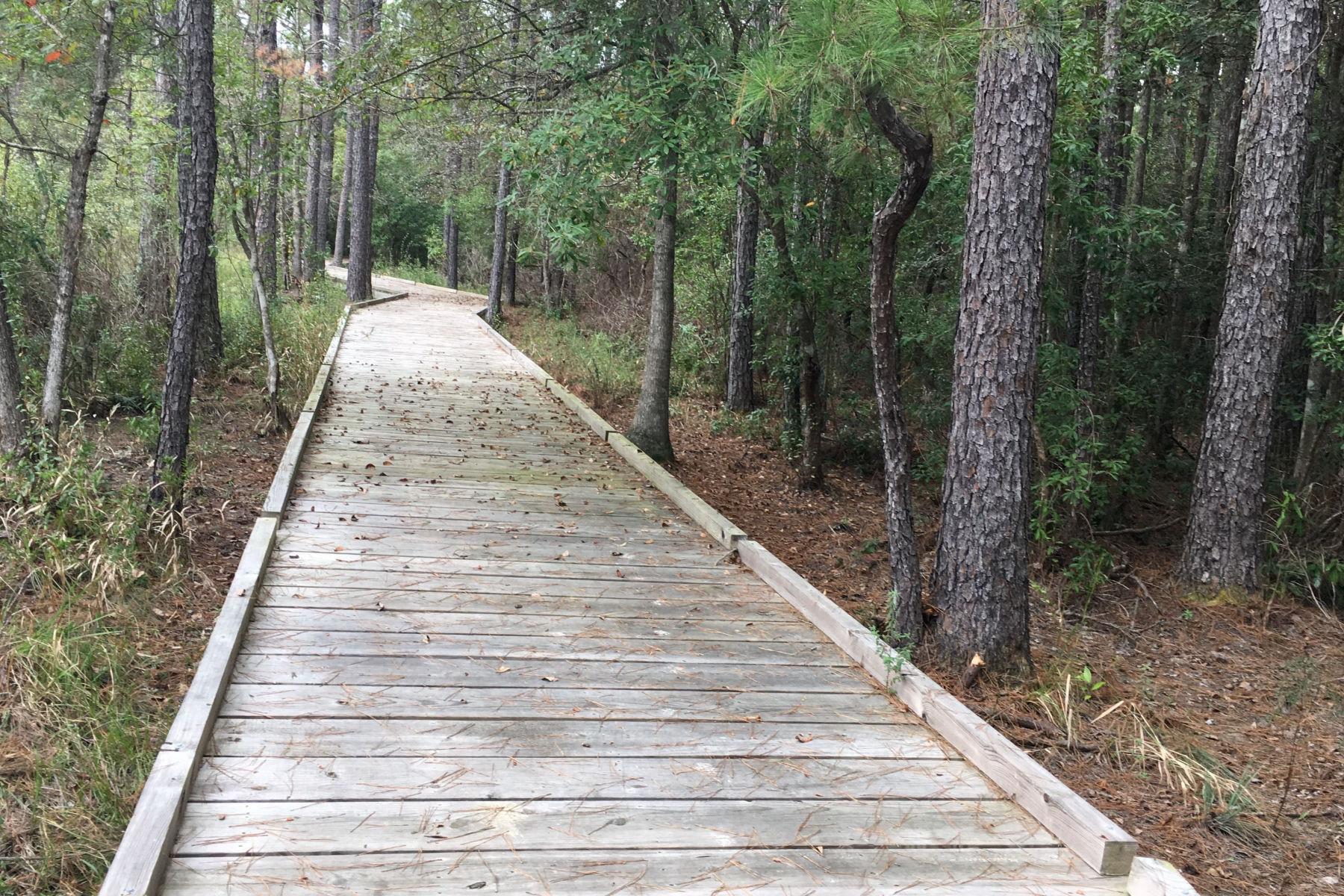
The honest take: this is a specialist’s park. If you paddle, birdwatch, or care about plants, the canoe trails along Village Creek and the Neches River and the boardwalk trails through the bogs are a genuine draw. If you are after big scenery, this is not that. It is flat, green, often humid, and the highlights are subtle. Go in spring or fall, bring bug spray, and check trail conditions, since the wetter units flood after heavy rain.
6. Amistad National Recreation Area
Drive from Austin: About 3.5 hours (235 miles) via US-90 W to Del Rio.
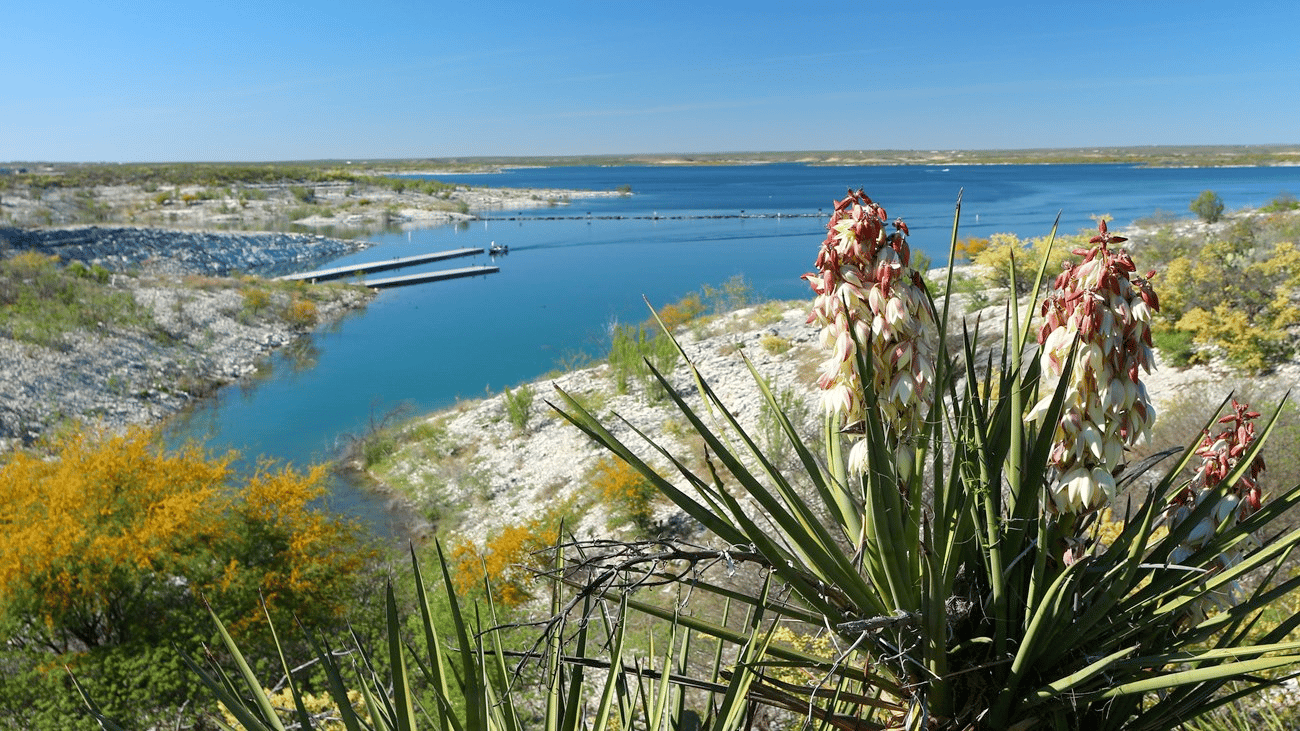
Amistad is a National Recreation Area, which is the NPS way of saying the main attraction is the water. It centers on the U.S. side of the Amistad Reservoir, a large lake formed by an international dam on the Rio Grande shared with Mexico, surrounded by Chihuahuan Desert canyons northwest of Del Rio. The draw here is boating, fishing, swimming, and camping on the shoreline, not hiking trails or big overlooks.
There is also real depth under the surface. The canyons around the reservoir hold some of the oldest and most significant rock art in North America, with painted shelters going back thousands of years, some reachable only by boat or through partner tours. There is no entrance fee, though boating and camping carry their own fees. The honest verdict: come for a day on the water, and skip it if you are not getting on a boat.
7. Palo Alto Battlefield National Historical Park
Drive from Austin: About 5 hours (340 miles) via I-37 S and US-77 S to Brownsville.
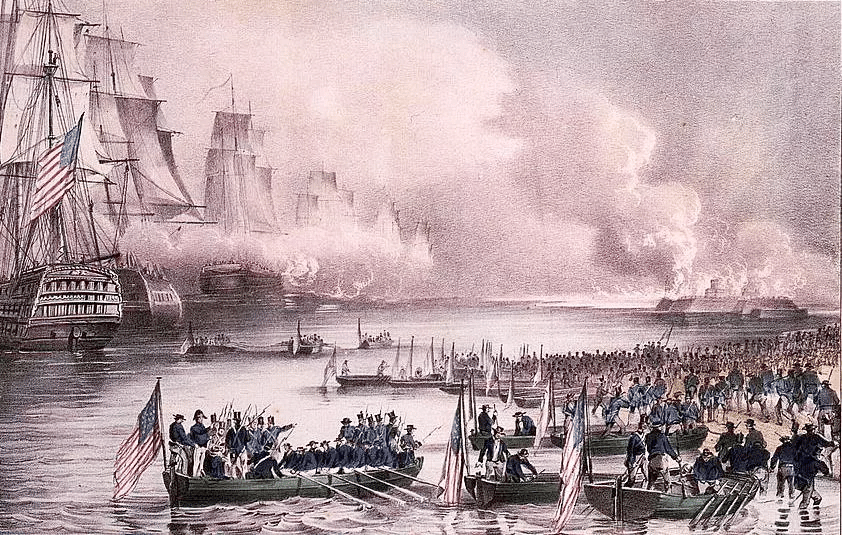
Last on the list for a reason. Palo Alto Battlefield is a National Historical Park near Brownsville, almost on the Mexican border, and it preserves the site of the first major battle of the U.S.-Mexican War in May 1846. It is the only National Park Service unit dedicated to interpreting that war, and the prairie landscape looks much as it did on the day of the fight.
The honest assessment: this is a small, focused historic site, not a scenic destination, and five hours one way is far too long to drive for it alone. There is a visitor center, a half-mile battlefield trail with interpretive markers, and good birding on the coastal plain. The way to use it is as one stop on a Rio Grande Valley trip, paired with the area’s world-class birding and the rest of the deep South Texas history, not as a standalone drive from Austin.
Planning Your Trip From Austin
The realistic day trip. Only one of these is a true day trip from Austin, and that is the LBJ National Historical Park at about an hour out. Everything else is an overnight at minimum, and the two real national parks are genuine multi-day road trips into West Texas.
Best base for the big parks. For Big Bend, the gateway towns are Terlingua and Study Butte just outside the west entrance, plus Marathon to the north. For Guadalupe Mountains, do not try to base in Texas, stay in Carlsbad, New Mexico, and hit both Guadalupe and Carlsbad Caverns on the same trip.
Season. West Texas is a spring-and-fall game. Big Bend and Guadalupe summers are brutally hot, so aim for October through April. The coast at Padre Island is best from late spring through fall, with the turtle releases running mid-June into August. Big Thicket is most comfortable in spring and fall and buggiest in summer.
Fees and passes. Fees vary by unit. LBJ and Palo Alto are free, Amistad has no general entrance fee but charges for boating and camping, and Padre Island runs $10 per vehicle. If you plan to hit several federal sites in a year, the $80 America the Beautiful annual pass usually pays for itself fast.
2026 status to plan around. One thing changed and one thing did not. Big Bend’s Chisos Basin rebuild, once scheduled to start May 1, 2026, was cancelled in spring 2026, so the Basin, its lodge, and its mountain trails stay open after all. LBJ’s Texas White House interior, however, remains closed for rehabilitation with tours not expected back until about 2027, though the rest of that park is open.
The Bottom Line
Austin’s honest reality is that the best easy national park pick is the LBJ National Historical Park, about an hour west and genuinely worth your time. The two true national parks, Big Bend and Guadalupe Mountains, are spectacular and worth a dedicated trip, but they are a long haul that you should build a real itinerary around rather than squeeze into a weekend.
None of this is guesswork. More Than Just Parks has spent years filming America’s national parks and public lands destinations, working with the National Park Service, the Department of the Interior, the USDA, and the U.S. Forest Service on films about places and issues that matter. Our work has run in publications around the world. The 2026 status notes above were current at publication; confirm lodge, ferry, and tour details with each park before you go.


