
Defend wilderness in the national wildlife refuges
Wilderness Administration and Resource Stewardship; Request for Information
Fish and Wildlife ServiceFederal Register 2026-11956 ↗
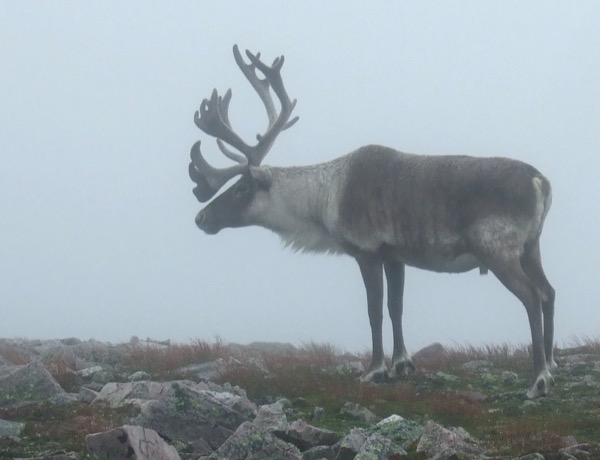
The federal agency that manages wildlife refuge wilderness areas wants your input before it rewrites its rules.
What’s at risk
Wilderness areas inside National Wildlife Refuges could be better or worse protected depending on how this internal policy is updated. The outcome depends heavily on whether conservation-minded voices participate now, before any formal changes are proposed.
If this goes through
If strong public input is submitted early, the updated policy is more likely to maintain or improve protections for refuge wilderness areas before any formal rule is locked in.
Our plain-English read of the official notice ↗. Check it against the agency’s own words below.
5 holes in the agency’s own analysis
What the public could have raised, from the agency’s own document
- I oppose this action as proposed, and I ask the agency to weigh the specific harms below.
- This review covers every chapter of the Service’s wilderness policy, not only recreation: 610 FW 1 (the foundation for implementing the Wilderness Act on refuges), 610 FW 2 (administration and resource stewardship, including public uses and fire), 610 FW 3 (wilderness stewardship planning), 610 FW 4 (wilderness reviews, wilderness study areas, and recommended wilderness), and 610 FW 5 (the ANILCA special provisions for Alaska refuge wilderness). The notice invites recommendations on any of them. Name the chapters that protect the places you know and ask the Service to keep them at least as strong as they are today.
- The notice stresses that Part 610 "is non-binding, does not establish legally binding rules, and is internal Service policy." Ask the Service to state in the record which wilderness protections it treats as discretionary, and to commit that any revision preserves the substantive standards for wilderness character and minimum-requirements review rather than reclassifying them as optional guidance.
- Chapter 610 FW 4 is the pipeline by which refuge lands are ever reviewed, studied, and recommended for wilderness designation. Weakening review policy quietly closes that pipeline without Congress acting. Ask the Service to retain FW 4’s protections for study areas, recommended wilderness, and proposed wilderness pending congressional action.
- Chapter 610 FW 5 carries the Alaska National Interest Lands Conservation Act provisions, and most refuge wilderness acreage is in Alaska. Ask the Service to state specifically what, if anything, it proposes to change in how ANILCA is considered together with FW 1 through FW 4, because a general revision lands hardest there.
Show all 7 points from the document
- The document proposes amendments to wilderness policy regarding climbing activities but provides no analysis of the environmental or resource impacts of installing fixed anchors (bolts, pitons) in wilderness areas, despite acknowledging these are permanent installations left behind. Section 'Proposed Amendments to Service Manual Chapter 610 FW 1' defines fixed anchors and installations but offers no environmental review or impact assessment before finalizing policy. The agency should prepare an Environmental Assessment or Environmental Impact Statement analyzing impacts to wilderness character, vegetation, wildlife, and cultural resources from anchor installation.
- Say something only you can say. The law requires the agency to consider and respond to substantive comments, and specifics are what make a comment substantive.
In the agency’s own words
The U.S. Fish and Wildlife Service (Service) seeks public comment on potential improvements to Part 610 of the Service Manual (Wilderness Stewardship), which provides policy direction for the review, planning, stewardship, and administration of wilderness areas managed by the Service. The Service is interested in receiving information and recommendations regarding whether updates, clarifications, or other revisions to existing wilderness stewardship policy may be appropriate. We invite comments from the public, and local, State, Tribal, U.S. Territories, and Federal agencies.
The reporting behind this
From More Than Just ParksAnother foreign mining company wants a piece of America’s public lands. This one comes with millions of gallons of groundwater pumping and radioactive radon.
After more than a decade chasing peak color across America, we built the foliage map we always wanted.
The administration went looking for a sliver of Yosemite for a private developer and finally convinced the rest of public-lands world that if Yosemite is negotiable, nothing is safe.
More actions that need you
Go deeper, free
See how your members of Congress vote on public lands
Every representative, graded on the votes that decide the fate of parks, forests, and refuges.
Open ↗The mapSee the places under active threat
A live map of the parks, monuments, and wild country in the crosshairs right now.
Open ↗A wrong fact, a dead link, a form that wouldn’t take your letter: one tap and it comes to the people who build PLAN, with this fight attached.
Know an open comment period we are missing, or spotted a wrong deadline? .